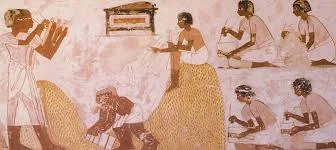
"Egypt was not a closed caste system. A bright child of a farmer could attend a village school, become a scribe, and eventually rise to become a high-ranking official. Merit often mattered as much as birthright."
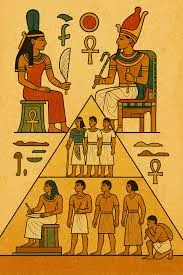
While Ancient Egyptian society was hierarchical, it was surprisingly fluid compared to other ancient civilizations. The concept of Ma'at (order/justice) implied that the most capable individuals should serve the state. This created opportunities for ambitious commoners to "leap" over social boundaries through education, military prowess, or royal favor.
The Pen is Mightier: Education
The most reliable path to power was literacy. The bureaucracy was hungry for talent. A family might pool their resources to send one bright son to the scribal school.
- The Process: If a student mastered reading and writing, he escaped the life of a laborer. He could become a tax collector, a temple administrator, or a royal clerk.
- Example: Many Viziers in the Middle and New Kingdoms boasted in their autobiographies that they were "men of the people" who rose through their own skill and eloquence.
The Sword of Opportunity: Military Service
In the New Kingdom, the expansion of the empire created a new avenue for advancement: the Army.
The General-King
A common soldier who displayed exceptional bravery could be promoted to officer rank. Successful generals were rewarded with land, gold ("The Gold of Valor"), and high administrative posts. Horemheb, who started as a military scribe and general, eventually became Pharaoh, proving that even the throne was not entirely out of reach for a commoner of immense talent.
Royal Favor and Marriage
Personal connection to the King could elevate anyone instantly.
- Senenmut: Born to provincial commoners, he became the tutor to Princess Neferure and the closest advisor (and possibly lover) of the female Pharaoh Hatshepsut. He wielded power rivaling the highest nobles.
- Queen Tiye: The Great Royal Wife of Amenhotep III was not of royal blood. Her parents were nobles from the town of Akhmim. Her intelligence and influence made her one of the most powerful queens in history, proving that talent was recognized in the harem as well.