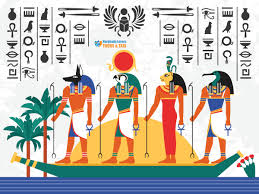
"The Pharaoh was more than a monarch; he was the living Horus and the son of Ra. He held absolute power over all aspects of Egyptian life, serving as the bridge between the gods and humanity."
In the Ancient Egyptian worldview, the stability of the entire universe depended on the Pharaoh. He was the sole intermediary between the divine and the mortal realms. His authority was not merely political but cosmic; without him, Ma'at (order) would collapse, and the world would fall back into the primordial chaos of Isfet.
The Living God
The Pharaoh was believed to be divine by birth.
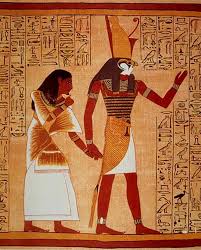
- Horus Incarnate: While alive, the King was the earthly manifestation of Horus, the falcon-headed god of kingship.
- Son of Ra: He bore the title Sa Ra ("Son of Ra"), emphasizing his direct lineage from the creator sun god.
- Osiris in Death: Upon death, the Pharaoh merged with Osiris, the ruler of the underworld, while his successor became the new Horus.
Absolute Authority
The Pharaoh's power was total and unchecked by any constitution.
Lord of the Two Lands
He was the owner of all land in Egypt. Farmers were essentially tenants working royal property. He controlled all resources, mines, and trade routes.
Supreme Commander & Judge
He was the commander-in-chief of the armies, leading them into battle to expand borders. He was also the supreme judge; all laws were issued as royal decrees from his lips.
Responsibilities: Maintaining Ma'at
With great power came a crushing burden. The Pharaoh had three primary duties to ensure the survival of Egypt:
-
Maintaining Ma'at: He had to uphold truth, justice, and balance. If the King ruled unjustly, Ma'at would be disturbed, leading to famine or civil war.
-
Leading Rituals: As the High Priest of every temple, he had to perform (or delegate) daily rituals to feed the gods. His prayers were essential to ensure the Nile flood arrived on time.
-
Defense (Smiting Chaos): He had to protect Egypt's borders from foreign enemies ("The Nine Bows"), who represented the forces of chaos (Isfet) trying to destroy the order of the Nile Valley.