"I am mourning on my high throne... for the Nile has not risen for seven years. Grain is scarce, vegetables are lacking, and everything which they eat is short." – The Famine Stela.
The Nile was a benevolent god, but also a fickle one. Egypt's existence hung by a thread—the exact height of the annual flood. A variation of just a few meters could spell the difference between abundance and catastrophe. The ability to manage these environmental disasters was the ultimate test of the Pharaoh's right to rule.
The Threat of Hunger
When the rains in Ethiopia were light, the Nile failed to rise enough to fill the irrigation basins. This was the dreaded "Low Nile."
- Consequences: Fields dried up, crops withered, and famine (heqa) ensued. The Old Kingdom collapsed partly due to a prolonged period of severe drought that dried up the Faiyum lake.
- Social Chaos: Starvation led to anarchy. Texts from the First Intermediate Period describe men eating their own children and tombs being looted for gold to buy food.
The Threat of Destruction
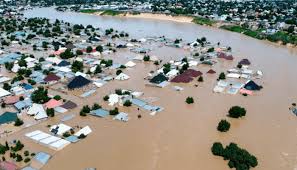
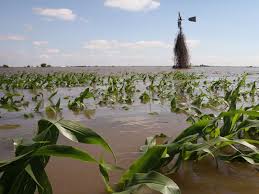
Conversely, a "High Nile" was equally dangerous. If the waters rose too high, they would breach the dykes and smash mudbrick villages.
- Loss of Infrastructure: Canals were silted up, livestock drowned, and the seed stored for next year's planting could rot in damp granaries.
- Disease: Stagnant water left behind by excessive flooding became a breeding ground for mosquitoes (malaria) and plagues.
State Management: The Granaries
The primary duty of the state was to buffer against these disasters. The Pharaoh was the guarantor of Ma'at (order) against the chaos of nature.
Grain Reserves
The government maintained a massive network of state granaries. In years of plenty (fat years), a significant portion of the harvest was stored. In years of low flood (lean years), these reserves were opened to feed the population. The Biblical story of Joseph is a perfect reflection of this administrative reality.
Pharaohs who successfully managed these crises, like Amenemhat III who built dykes to control the water flow into the Faiyum, were hailed as saviors. Those who failed often faced rebellion.