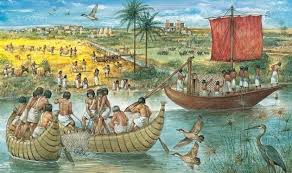
"The Nile was not just a resource; it was a playground, a larder, and a community center. From the fisherman casting his net at dawn to the children swimming in the afternoon heat, the river pulsed with the daily rhythm of Egyptian life."
For the average Ancient Egyptian, the Nile was everything. It was the source of water for drinking, washing, and irrigation. It was the primary source of protein for the poor, and the highway for travel. But beyond utility, it was a source of joy—a cool respite from the desert heat and the stage for the nation's greatest celebrations.
The River's Bounty
While beef was a luxury for the rich, fish was the staple protein for the masses. The Nile teemed with life.
- Fishing: Fishermen used drag-nets, wicker traps, bronze hooks, and harpoons. Common catches included the massive Nile Perch and the Tilapia (a symbol of rebirth).
- Fowling: The marshy thickets along the banks were home to ducks, geese, and ibises. Nobles enjoyed hunting trips, using throwing sticks to bring down birds for sport and food.
Papyrus: The Plant of Civilization
The shallow waters of the Delta were choked with dense thickets of Papyrus reeds (Cyperus papyrus). This humble plant was the Swiss Army Knife of Egypt.
Paper & Skiffs
Its pith was sliced and pressed to make the world's first paper. Its stems were bundled together to make light, buoyant boats (skiffs) used for fishing and short travel.
Daily Items
The tough outer rind was woven into mats, sandals, baskets, and ropes. The root was even eaten as a sweet vegetable.
Recreation and Celebration
The river was the center of social life.
- Swimming: In the heat of summer, everyone swam. However, they had to be wary—crocodiles and hippos were constant dangers.
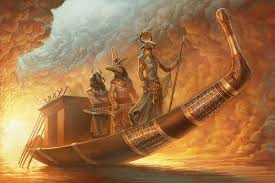
- River Festivals: The greatest festivals, like the Opet Festival in Thebes or the Festival of Drunkenness for Hathor/Sekhmet, took place on the river. Statues of gods were placed on golden barques and sailed between temples, accompanied by fleets of musicians, dancers, and crowds cheering from the banks.