The temples and monuments of Aswan and the eternal land of Nubia
Where the legendary magic of the Nile meets the granite cliffs and picturesque Nuba Islands; Explore the eternal temples of Aswan and Nubia. From the Pearl of the Nile, the Temple of Philae, to the miracle of the solar perpendicular in the two rock-cut temples of Abu Simbel.
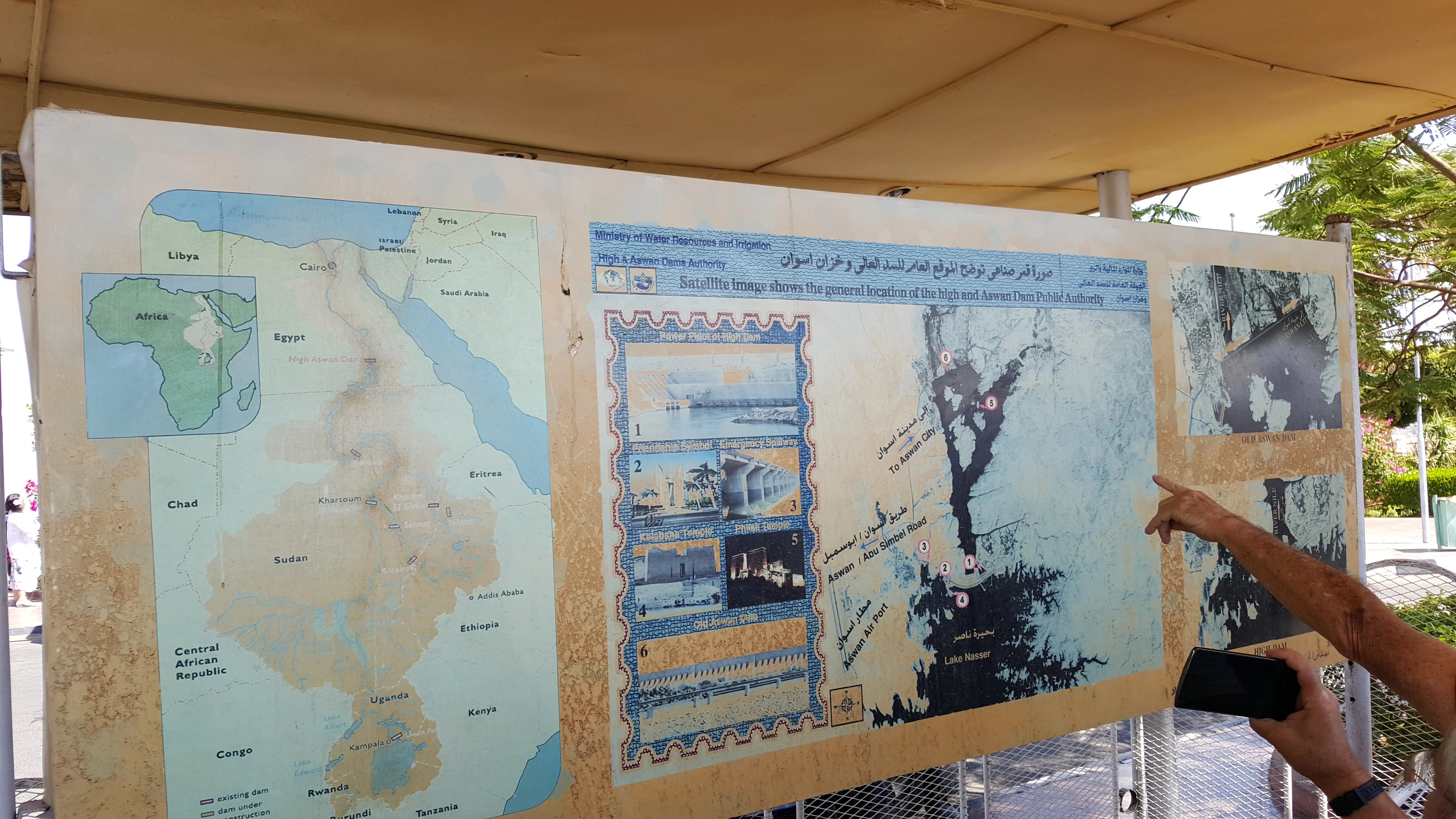
Aswan: Guardian of the Boundaries and Source of the Stones of Immortality
Known as “Sunu” (the market) in ancient texts, Aswan was the main commercial center for the exchange of ivory, gold and ebony with Africa and the protector of Egypt's southern borders at the First Cataract. Aswan was not only a military fortress, but also the largest royal quarry from which all the pyramids, temples and obelisks of Egypt obtained their polished red granite stones. The region culminated in the epic of Saving the Monuments of Nubia, sponsored by UNESCO in the 1960s to save the temples of Philae and Abu Simbel from sinking into Lake Nasser.
The most important archaeological and historical monuments of Aswan and Nubia.
Temple of Philae (Pearl of the Nile)
The mythical sanctuary of the goddess Isis on the island of Agilica, the elevated hypostyle hall, Trajan's kiosk and the site of the last hieroglyphic inscription.
Erkunden Sie den Philae-Tempel ←The two legendary temples of Abu Simbel
The large temple of Ramses II with its four seated statues (20 meters) and the small temple of Nefertari to the goddess of beauty Hathor.
Details about Tempeln von Abu Simbel ←The incomplete obelisk and the granite quarries.
The largest rock obelisk that the pharaohs attempted to cut weighs around 1,200 tons and is evidence of ancient stone quarrying techniques.
Geheimnisse des verschwundenen Obelisken ←Elephantine Island and the Nilometer
The birthplace of Aswan I; The ruins of the temple of Khnum and the ancient marble nilometer that determined the country's annual taxes.
Entdecken Sie Elephantine Island ←Explore this timeless landmark with elite Egyptologists
Ultra Egypt Travel (License 874, Category A) offers exclusive private tours that include special visiting permits, luxury air-conditioned vehicles and an in-depth archaeological explanation that reveals the secrets of architectural inscriptions and symbols.
Detailed archaeological and technical analyzes and excavation records.
This historic landmark represents an advanced model of architectural and engineering creativity in ancient Egyptian civilization, combining the precision of astronomical and engineering planning with doctrinal religious symbolism. Archaeological records documented by the scientific missions of the Supreme Council of Antiquities show the use of techniques to cut and transport huge stones from the quarries of Tura, Aswan and Jebel Silsila with extreme precision, taking into account the precise alignment with the four cardinal points and the movement of the celestial bodies in relation to the summer and winter solstices.
Modern geophysical studies and ground-penetrating radar (GPR) studies, carried out in collaboration between international universities and the Egyptian antiquities industry, have demonstrated the existence of elaborate networks of corridors, interior spaces and water drains that were intended to protect the building from erosion and rare runoff for millennia. This structural system is associated with hieroglyphic decorations and inscriptions that reflect the royal coronation rituals, offerings to the gods and funerary texts that ensure the eternal journey of the king to the other world.
Preventive maintenance programs and sustainable site management.
As part of the Egyptian State's efforts to protect the UNESCO World Heritage Site, the site is subject to an advanced environmental management protocol, which includes regular monitoring of temperatures and relative humidity in rooms and corridors, as well as controlling the numerical density of tourist groups to prevent the inscriptions on the walls from being affected by smoke and microclimatic changes. The paths are also equipped with hanging wooden walkways and cool LED lighting that does not emit heat and does not affect the original colors of the stones.
Guidelines for field visits and guidance from travel experts
To gain maximum scientific and exploratory benefit from visiting this historical monument, Ultra Egypt Travel experts advise you to consider the following:
- Optimal visiting time: It is recommended to arrive early in the morning (between 7:30 am and 9:00 am) to avoid the midday heat and enjoy ideal sunlight that highlights the details of the crevices and reliefs for high-quality photographs.
- Specialized archaeological tour: It is recommended to be accompanied by an authorized guide and Egyptologist to read the royal cartouches and explain the historical and religious context of each area of the site.
- Equipment Needed: Wear comfortable, non-slip walking shoes, light cotton clothing with a protective hat, and drink plenty of water, especially when climbing trails or walking in open yards.
Structural materials and ancient architecture.
The construction of this archaeological building was based on a careful selection of the best types of natural stones extracted from different places in ancient Egypt. The architects used brilliant white limestone from the Tora quarries on the east bank of the Nile to clad the walls and exterior surfaces with extreme precision polishing, while they relied on hard pink granite quarried from the First Cataract quarries in Aswan to construct the enormous columns, load-bearing roofs, false doors and royal burial chambers, which required exceptional strength to withstand the enormous pressure of millennia.
Excavated technical evidence and papyrus records (such as the Wadi al-Jarf papyrus) confirm that huge blocks of stone, ranging in weight from several tons to tens of tons, were transported across the Nile during the flood season (akht) via artificial water channels connected to drainage ponds adjacent to the site. The blocks were then dragged on wooden sleds over mud tracks moistened with calculated proportions of water to reduce friction before being lifted up slopes of leveled earth and limestone carefully designed according to advanced engineering calculations.
Table of archaeological and architectural field specifications.
Academic and official sources and references.
This encyclopedic content has been prepared and verified based on the latest archaeological records and field reports from official organizations and accredited international references:
- Egyptian Ministry of Tourism and Antiquities: Records of excavations and restorations in the antiquities sector of Luxor and the temple complex of Karnak and Luxor, Supreme Council of Antiquities.
- World Heritage Center - UNESCO: Nomination dossier of the ancient city of Thebes and its royal tombs on the World Heritage List (UNESCO), Paris.
- Richard H. Wilkinson: The Complete Temples of Ancient Egypt, Temples of Ancient Egypt: Ritual and Architectural Design, Oxford University Press.
- James Henry Breasted: Ancient Records of Egypt: Historical Documents, Volumes II and III: Inscriptions and Records of the New Kingdom, University of Chicago Press.
- American Research Center in Egypt (ARCE): Reports on the documentation and protection of the Luxor and Karnak temple inscriptions and the preservation of Nubian sandstone.
- Sir Gaston Maspero: Studies of the Egyptian Antiquities Authority on the Restoration and Rescue of Theban Temples, Antiquities Authority, Cairo.
- Ian Shaw: The Oxford History of Ancient Egypt, the Age of the Egyptian Empire and Thebes, Oxford University Press.