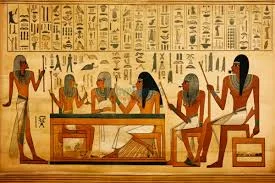
"The Pharaoh commanded, but the Nobles executed. From the fertile Delta to the granite quarries of Aswan, a network of powerful families managed the wealth of the Nile, balancing loyalty to the crown with local ambition."
Beneath the Pharaoh and the Vizier lay the vast machinery of the Egyptian state, run by a wealthy class of Nobles and High Officials. These individuals served as provincial governors (Nomarchs), military commanders, and heads of specific departments. They lived in luxury, built elaborate tombs, and ensured that the taxes were collected and the laws were obeyed.
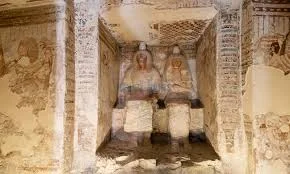
The Nomarchs: Local Kings
Egypt was divided into 42 administrative districts called Nomes (22 in Upper Egypt, 20 in Lower Egypt). Each was ruled by a governor called a Nomarch.
- Duties: The Nomarch was responsible for maintaining the local irrigation canals, collecting grain taxes, judging minor legal disputes, and raising local militias for the Pharaoh's army.
- Independence: Being far from the capital, Nomarchs often wielded significant power. In their own regions, they lived like miniature kings, with their own courts and local religious cults.
Masters of the Administration
The central government was divided into specific departments managed by high-ranking officials.
Overseer of the Granaries
One of the most important jobs. He managed the storage and distribution of grain, ensuring the country did not starve during low floods and that workers were paid.
Overseer of the Treasury
Responsible for raw materials—gold, copper, and precious stones brought from mines and foreign trade expeditions. He funded state projects like temple building.
The Double-Edged Sword
While necessary for administration, the nobility could threaten the state. Offices often became hereditary, passing from father to son. This created powerful regional dynasties that felt less loyalty to the Pharaoh over time.
The First Intermediate Period
When the central authority of the Pharaohs collapsed at the end of the Old Kingdom, the Nomarchs took over. Egypt fractured into warring provinces, with powerful families in Herakleopolis and Thebes declaring themselves kings. It took centuries to rein them back in.