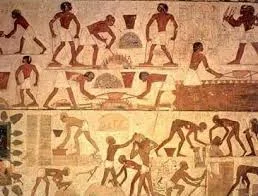
"Hierarchy was not an abstract concept; it was a physical reality. It determined what you ate, where you slept, and even how you died. Yet, in the eyes of Ma'at, every class was a necessary thread in the fabric of Egypt."
In Ancient Egypt, your social status dictated every moment of your day. While the wealthy feasted in airy villas, the poor worked the fields and slept on rooftops. However, the culture was unified by a shared love of life, family, and preparation for eternity.
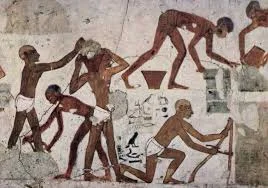
The Roof Over Their Heads
The Elite Villa
Nobles lived in spacious, multi-story country estates. These homes featured high ceilings for ventilation, lush gardens with fish ponds, and separate quarters for servants and guests. Walls were plastered and painted with vibrant nature scenes.
The Commoner's House
Farmers and laborers lived in dense mudbrick row houses (like at Deir el-Medina). These were small, dark, and crowded. The flat roof served as an extra living space for sleeping during hot summer nights.
The Taste of Hierarchy
The Common Diet: The staple was bread (Emmer wheat) and beer (Barley), supplemented with onions, garlic, lentils, and fish from the Nile. Meat was a rare luxury, reserved for religious festivals.
The Noble Diet: The wealthy enjoyed a diverse menu including roast beef, goose, gazelle, wine (from the Delta vineyards), honey, figs, and pomegranates. Feasts were elaborate affairs with music, dancers, and cones of scented wax melting on guests' heads.
Death: The Ultimate Indicator
Nothing reflected class more than death.
- The Wealthy: Could afford the "70-day" mummification process, removing organs and using high-quality natron and linen. They were buried in rock-cut tombs filled with furniture, Shabti dolls, and copies of the Book of the Dead.
- The Poor: Often could not afford mummification. They were buried in simple pit graves in the desert sand. Ironically, the hot, dry sand often preserved their bodies (natural mummification) better than the expensive, flawed techniques used on some nobles.