Understanding Egypt's Geography
Egypt is divided into 27 governorates (muhafazat), each with its own unique character, landscape, and cultural heritage. These governorates are grouped into five distinct regions that offer travelers a diverse range of experiences — from ancient temples and bustling cities to tranquil oases and world-class diving destinations. Whether you're planning a Nile cruise, a Red Sea diving trip, or a cultural tour of Luxor and Aswan, understanding Egypt's geography is the first step to an unforgettable journey.
Greater Cairo
Egypt's urban heart, encompassing Cairo, Giza, and Qalyubia. The center of government, culture, and history, home to the Pyramids and the Egyptian Museum.
Lower Egypt (Delta)
The lush green fan-shaped delta north of Cairo. Known for agriculture, historic cities like Alexandria, Damietta, and the Rosetta Stone discovery site.
Upper Egypt (Sa'id)
The Nile Valley south of Cairo. The land of ancient monuments, including Luxor, Karnak, and Abu Simbel, with a rich traditional culture.
Canal Cities
Strategically located along the Suez Canal, linking Africa and Asia. Port Said, Ismailia, and Suez offer a unique maritime and industrial heritage.
Frontier & Oases
The vast deserts and coastal frontiers. Home to Bedouin culture, world-class diving resorts in the Red Sea, and the serene oases of Siwa, Kharga, and Dakhla.
 Greater Cairo
Cairo
Egypt's capital and largest city, Cairo is a vibrant metropolis where ancient history meets modern life. Home to the Egyptian Museum, historic Islamic Cairo, and the bustling Khan El-Khalili bazaar.
Explore Cairo Greater Cairo
Giza
World-famous for the Great Pyramids and the Sphinx, Giza merges seamlessly with Cairo on the west bank of the Nile. A must-visit for every traveler to Egypt.
Explore Giza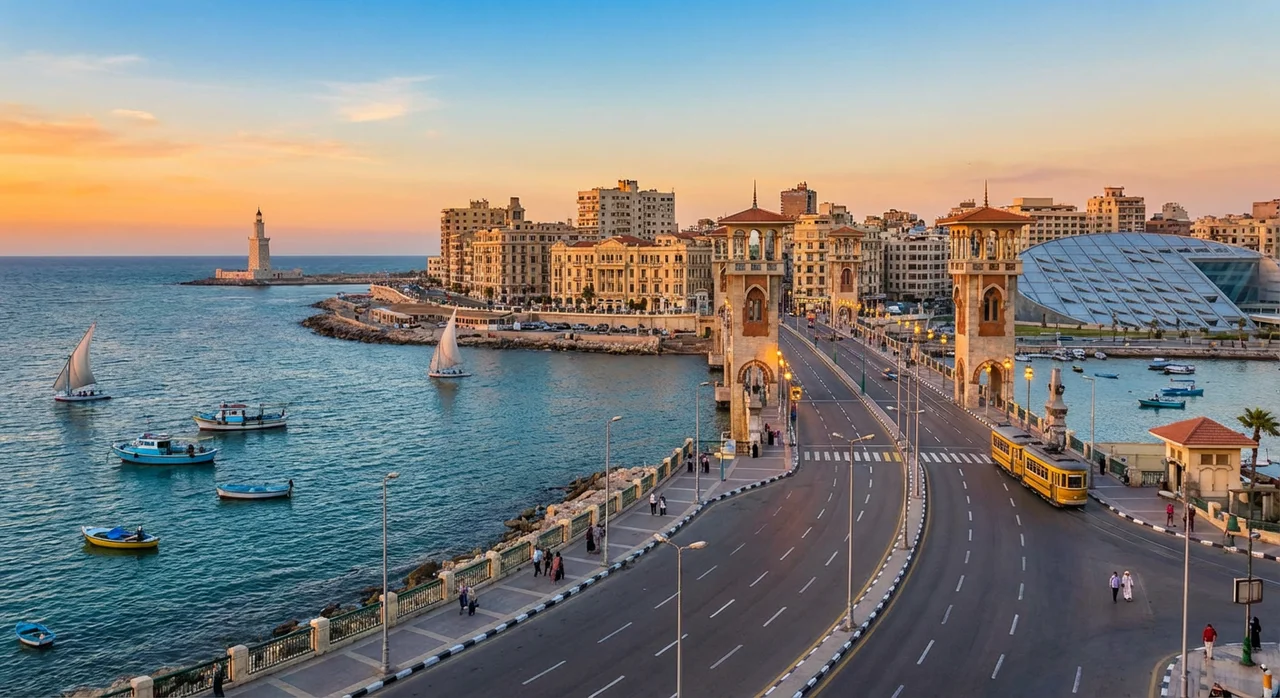 Coast
Coast
Alexandria
The Bride of the Mediterranean. Known for the Bibliotheca Alexandrina, the Citadel of Qaitbay, and its Greco-Roman heritage.
Explore Alexandria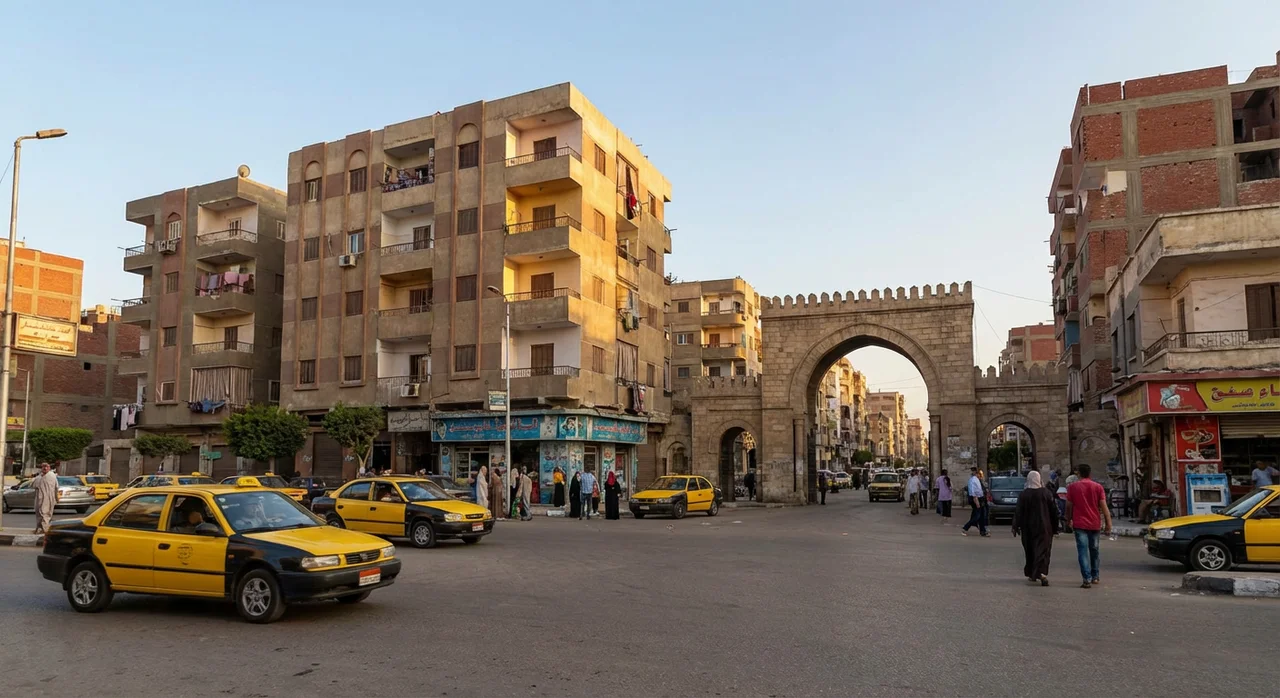 Greater Cairo
Qalyubia
Located at the head of the Delta, Qalyubia's capital Banha is known for electronics and poultry industries. A gateway to the Nile Delta.
Explore Qalyubia.png) Delta
Delta
Dakahlia
Famous for Mansoura University and its medical centers, Dakahlia is also known for its beautiful island gardens and agricultural richness.
Explore Dakahlia.png) Delta
Delta
Sharqia
Home to the ancient ruins of Bubastis (Tell Basta) and known for breeding Arabian horses. A destination for history and equestrian enthusiasts.
Explore Sharqia.png) Delta
Delta
Gharbia
Located in the heart of the Delta, Tanta is famous for the Al-Sayyid Al-Badawi Mosque and its traditional sweets. A cultural hub of Lower Egypt.
Explore Gharbia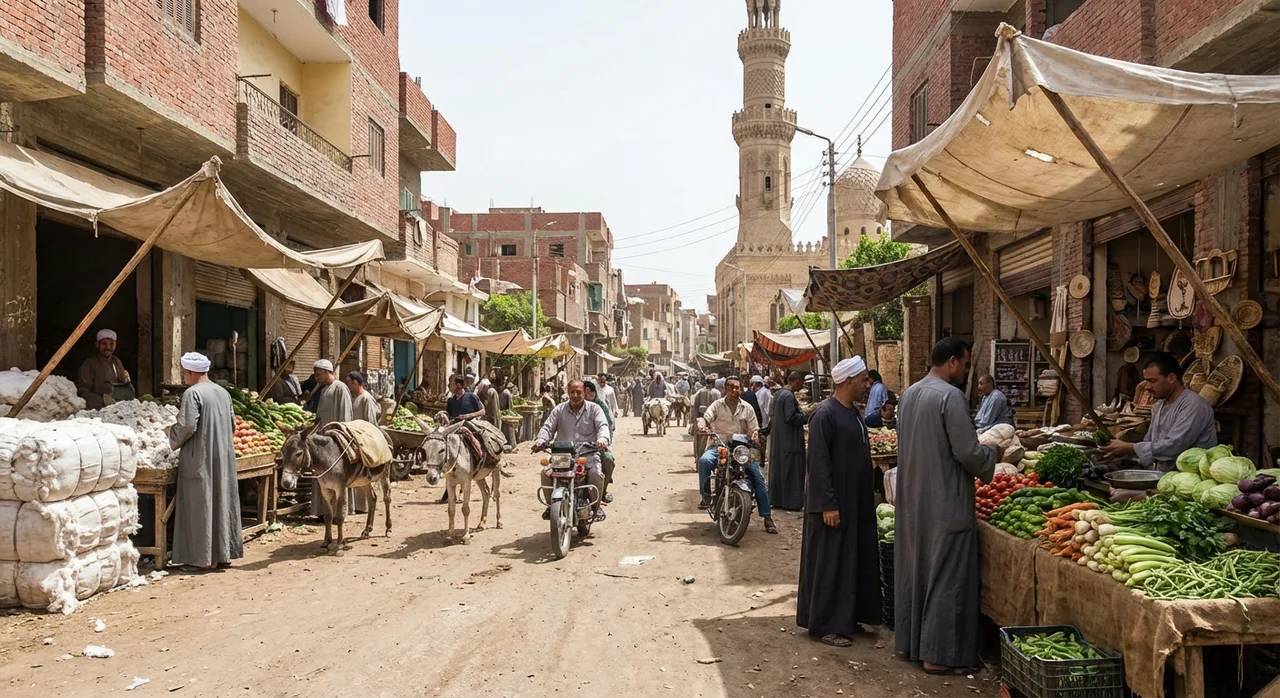 Delta
Delta
Monufia
Known as the land of presidents, Monufia is a rich agricultural governorate with Shibin El Kom as its capital. A peaceful slice of Delta life.
Explore Monufia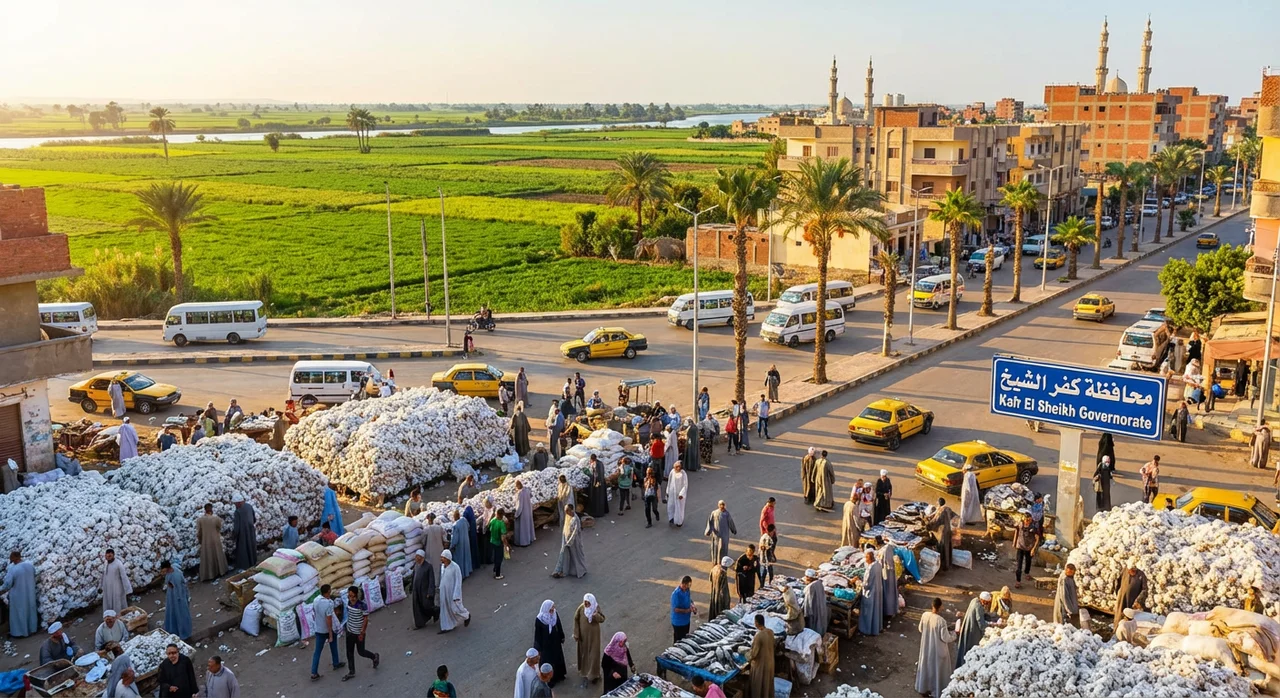 Delta
Delta
Kafr El Sheikh
Located on the Nile Delta, Kafr El Sheikh is known for its fishing industry, fertile lands, and the historic city of Desouk.
Explore Kafr El Sheikh.png) Delta
Delta
Beheira
Home to the monasteries of Wadi El Natrun and the discovery site of the Rosetta Stone (Rashid). A treasure trove of Coptic and ancient history.
Explore Beheira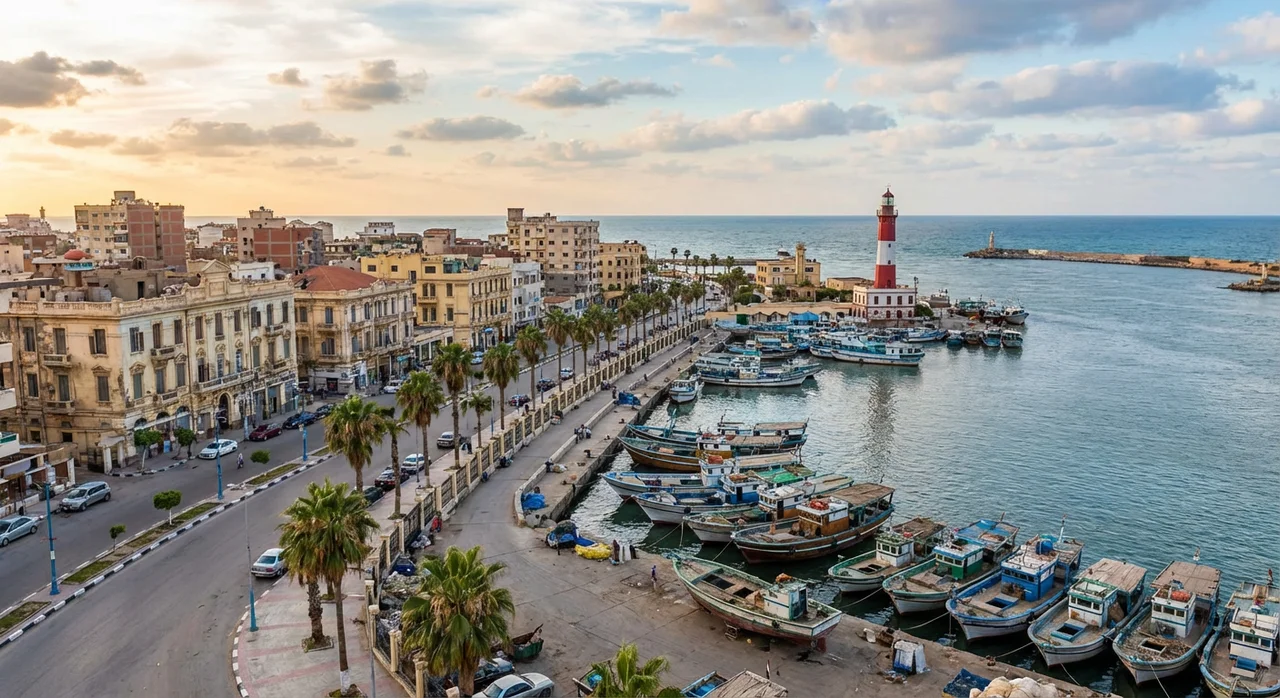 Coast
Coast
Damietta
Famous for furniture manufacturing and Ras El Bar resort, where the Nile meets the Mediterranean. A coastal gem with a rich artisan tradition.
Explore Damietta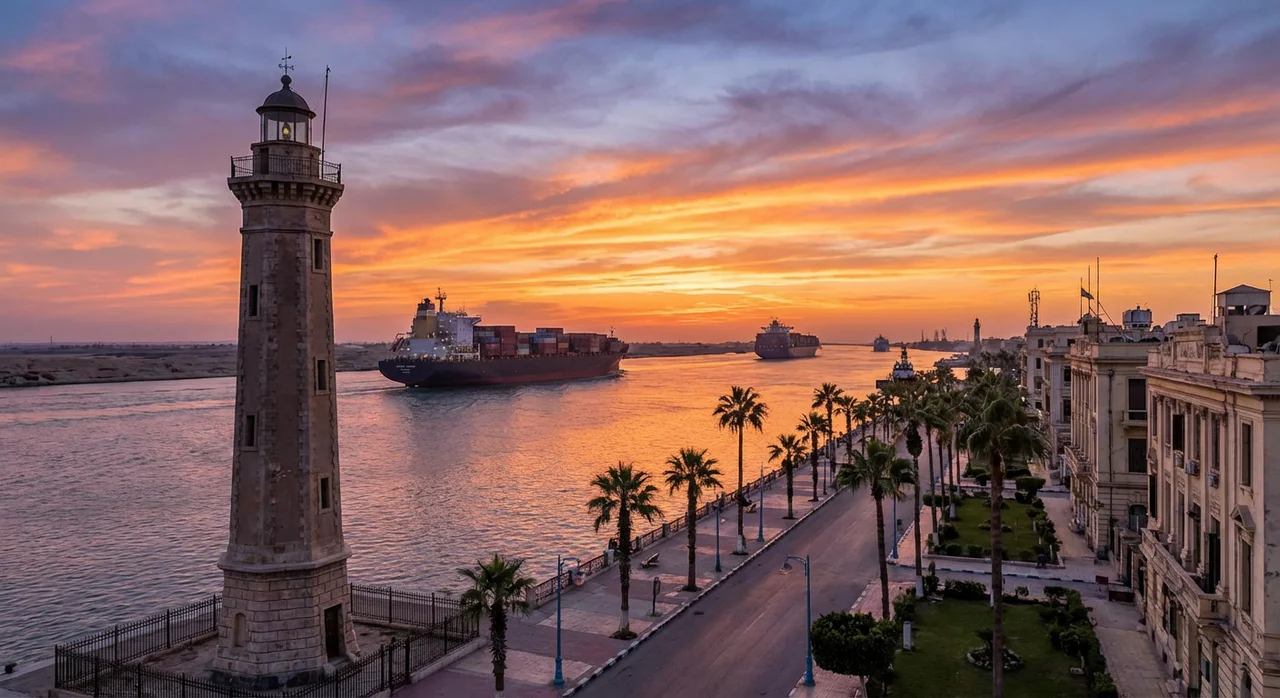 Canal
Canal
Port Said
Located at the northern entrance of the Suez Canal, Port Said is known for its distinctive 19th-century architecture and vibrant port culture.
Explore Port Said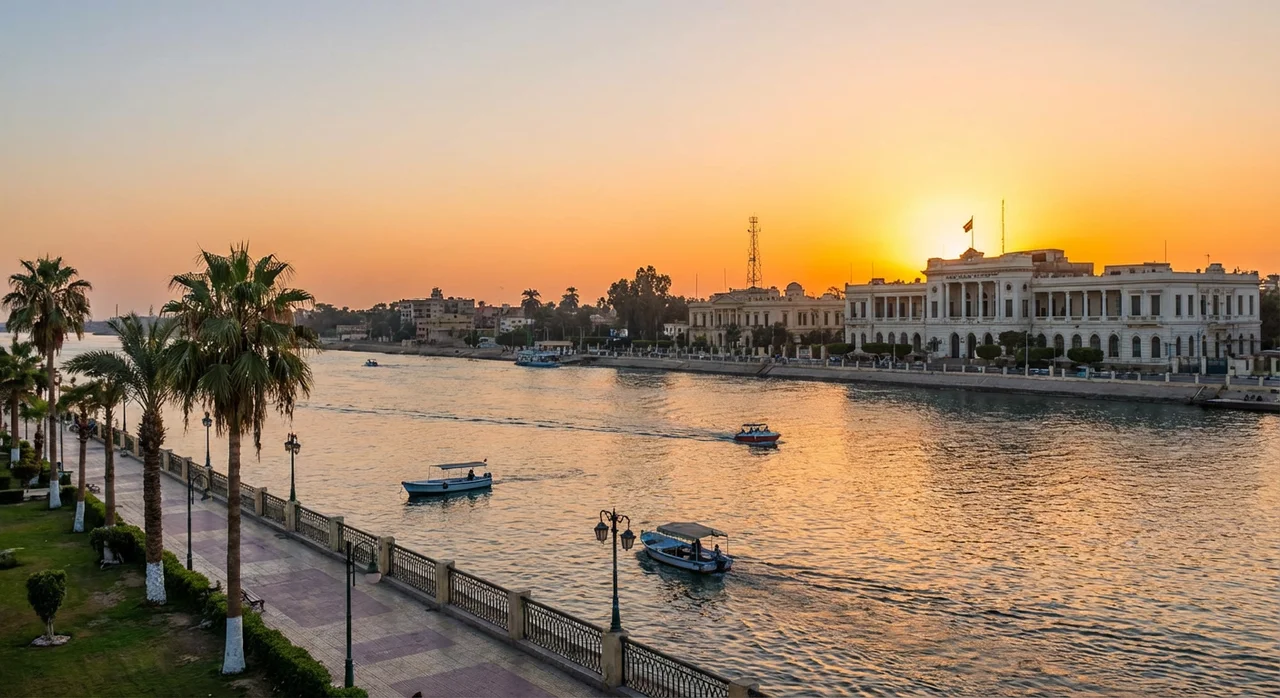 Canal
Canal
Ismailia
The City of Gardens on the Suez Canal, Ismailia is known for mango festivals, colonial-style villas, and its strategic location on the canal.
Explore Ismailia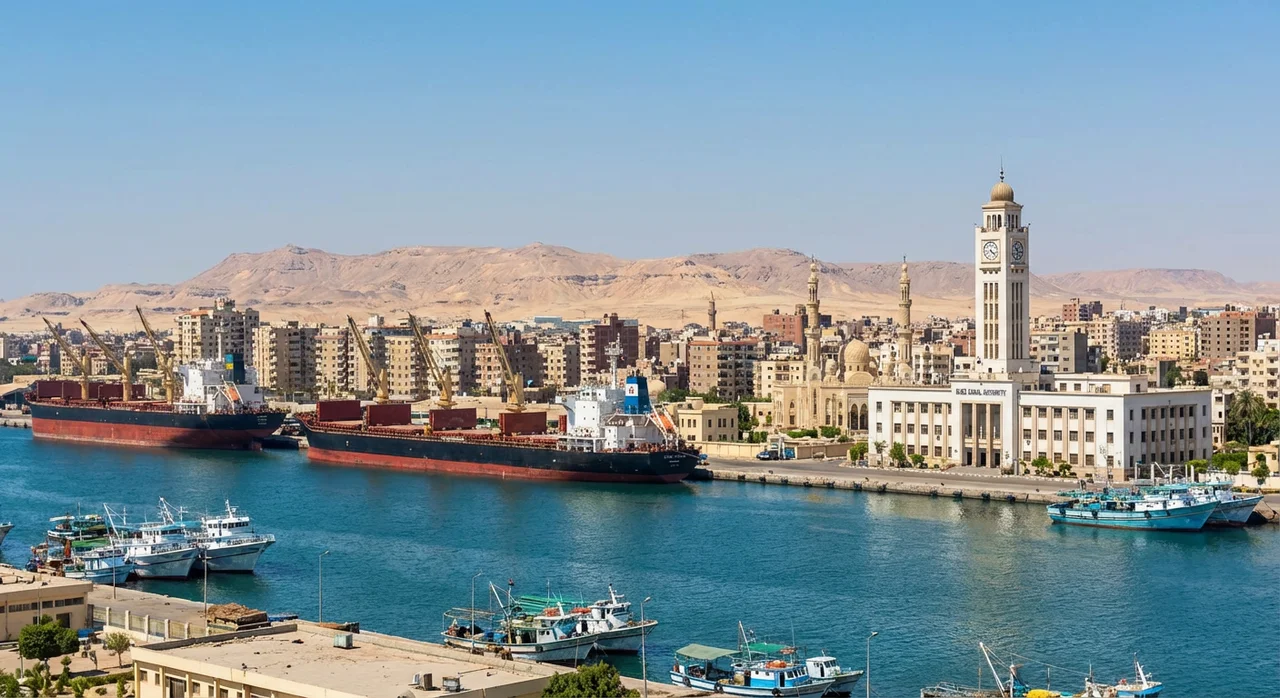 Canal
Canal
Suez
A historic port city at the southern entrance of the Suez Canal, Suez overlooks the Red Sea and serves as a gateway to the Sinai Peninsula.
Explore Suez.png) Frontier
Frontier
North Sinai
Known for its palm-lined beaches on the Mediterranean and rich Bedouin culture, North Sinai offers a unique blend of nature and tradition.
Explore North Sinai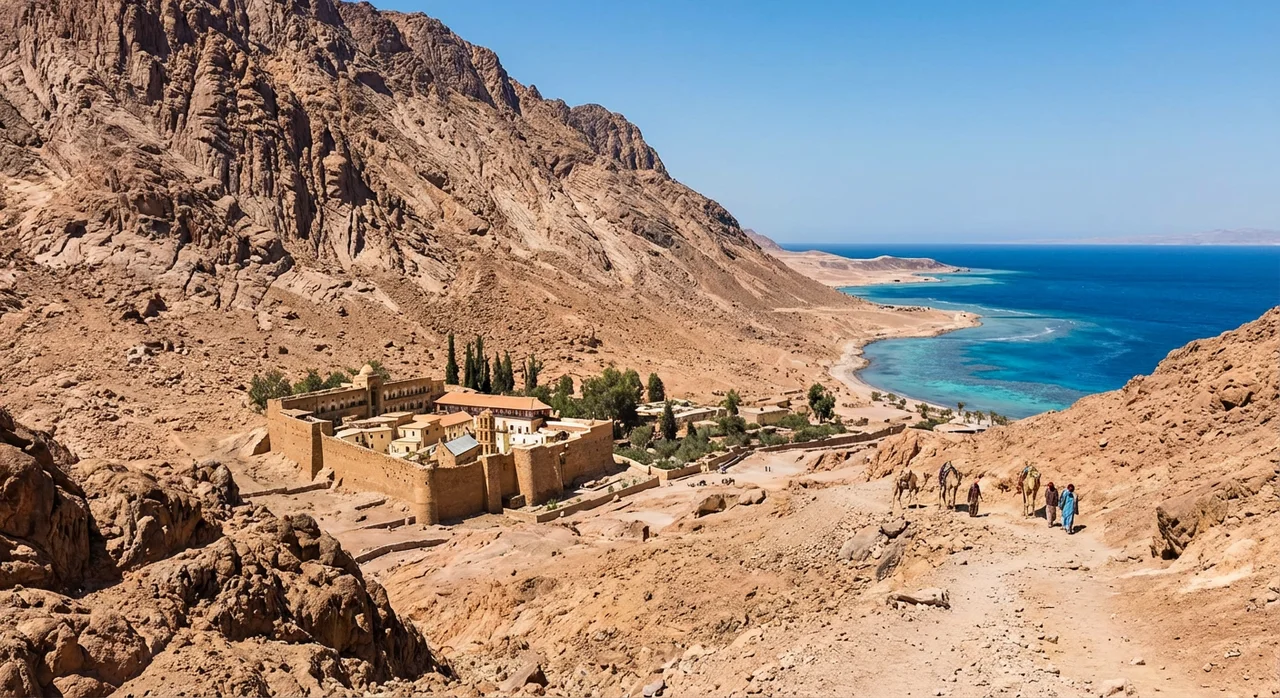 Frontier
South Sinai
Home to Sharm El Sheikh, Dahab, and St. Catherine's Monastery. A premier destination for diving, hiking, and spiritual journeys.
Explore South Sinai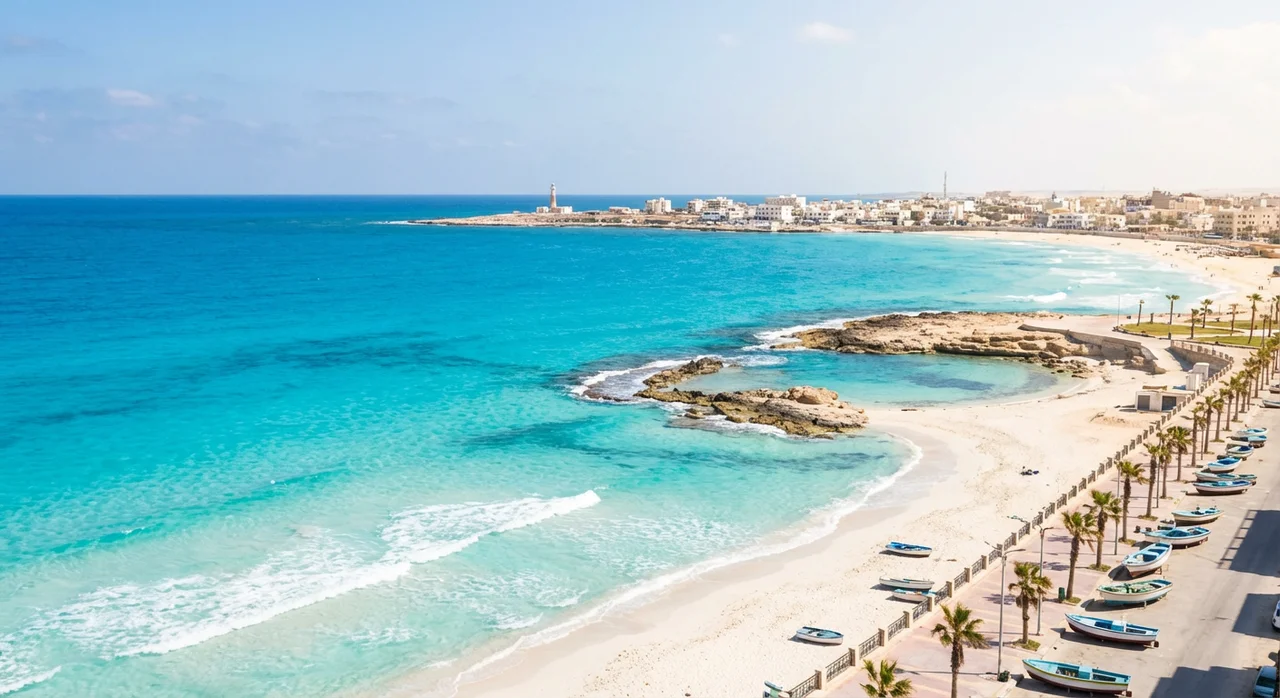 Coast
Coast
Marsa Matrouh
Famous for its crystal-clear waters and white sandy beaches like Agiba and Cleopatra's Bath. A Mediterranean paradise on Egypt's north coast.
Explore Marsa Matrouh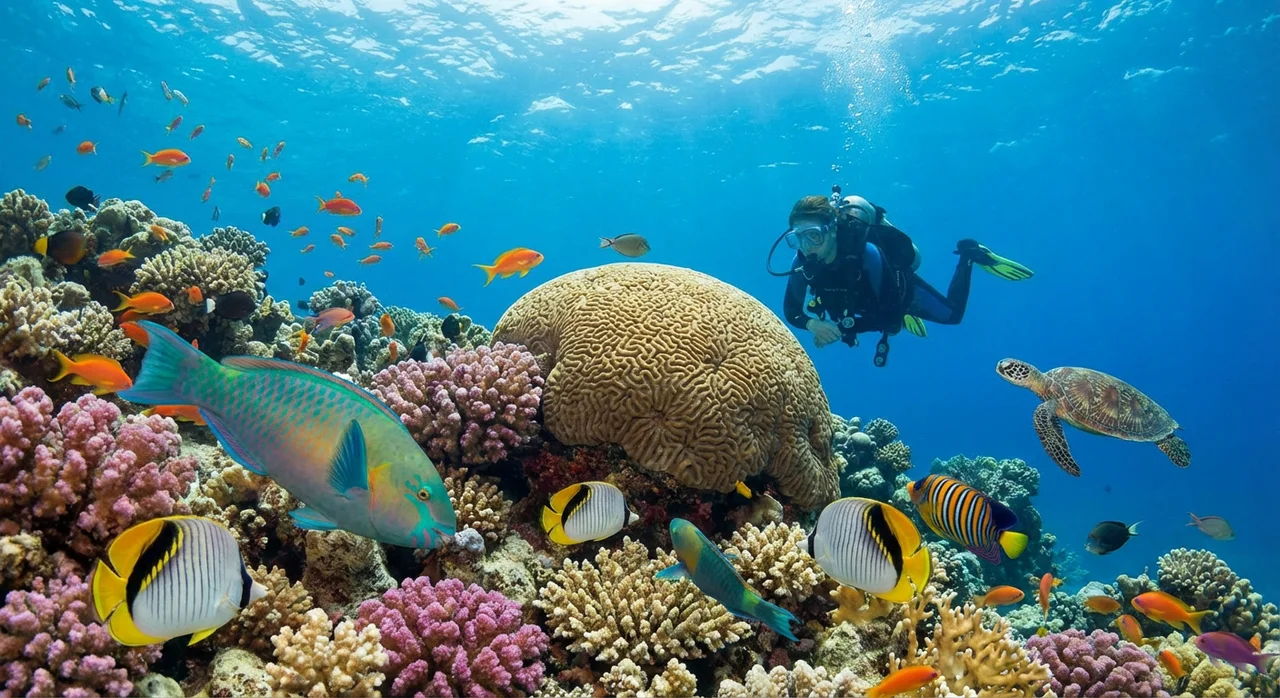 Coast
Coast
Red Sea
Includes Hurghada and Marsa Alam. A paradise for snorkelers and divers with vibrant marine life, pristine beaches, and world-class resorts.
Explore Red Sea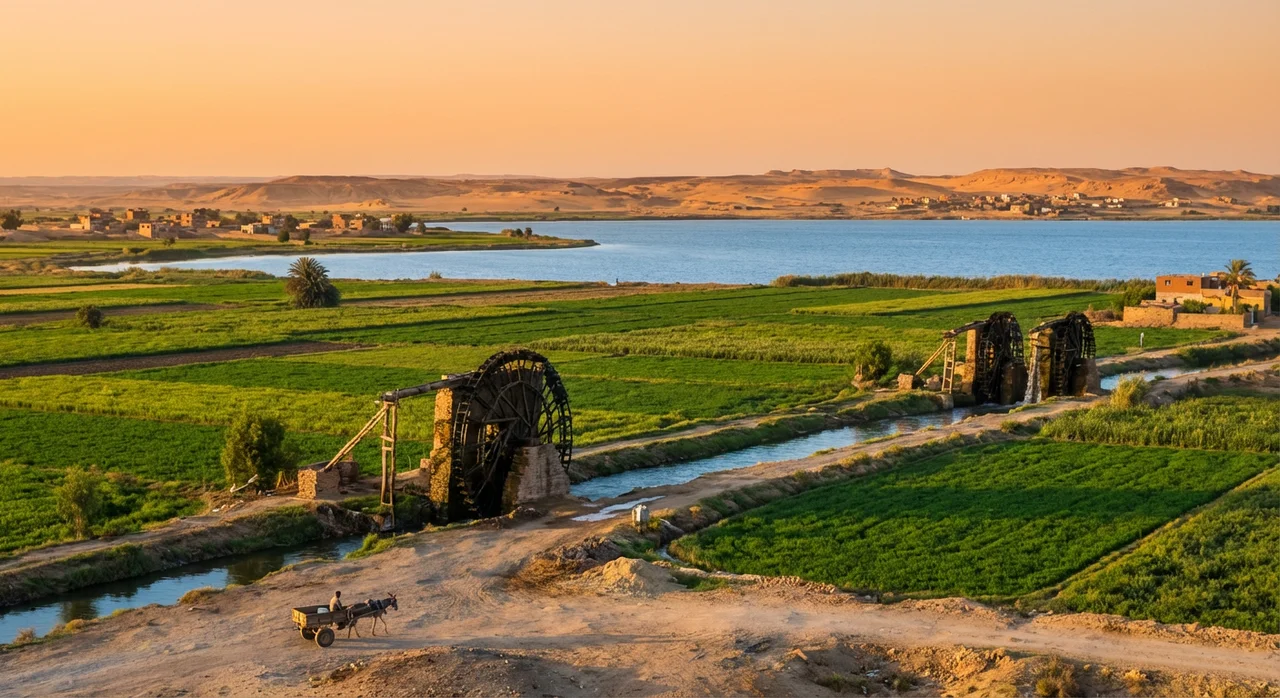 Upper Egypt
Faiyum
An oasis known for Tunis Village, Wadi El Rayan waterfalls, and the Valley of the Whales (Wadi Al-Hitan). A unique blend of nature and history.
Explore Faiyum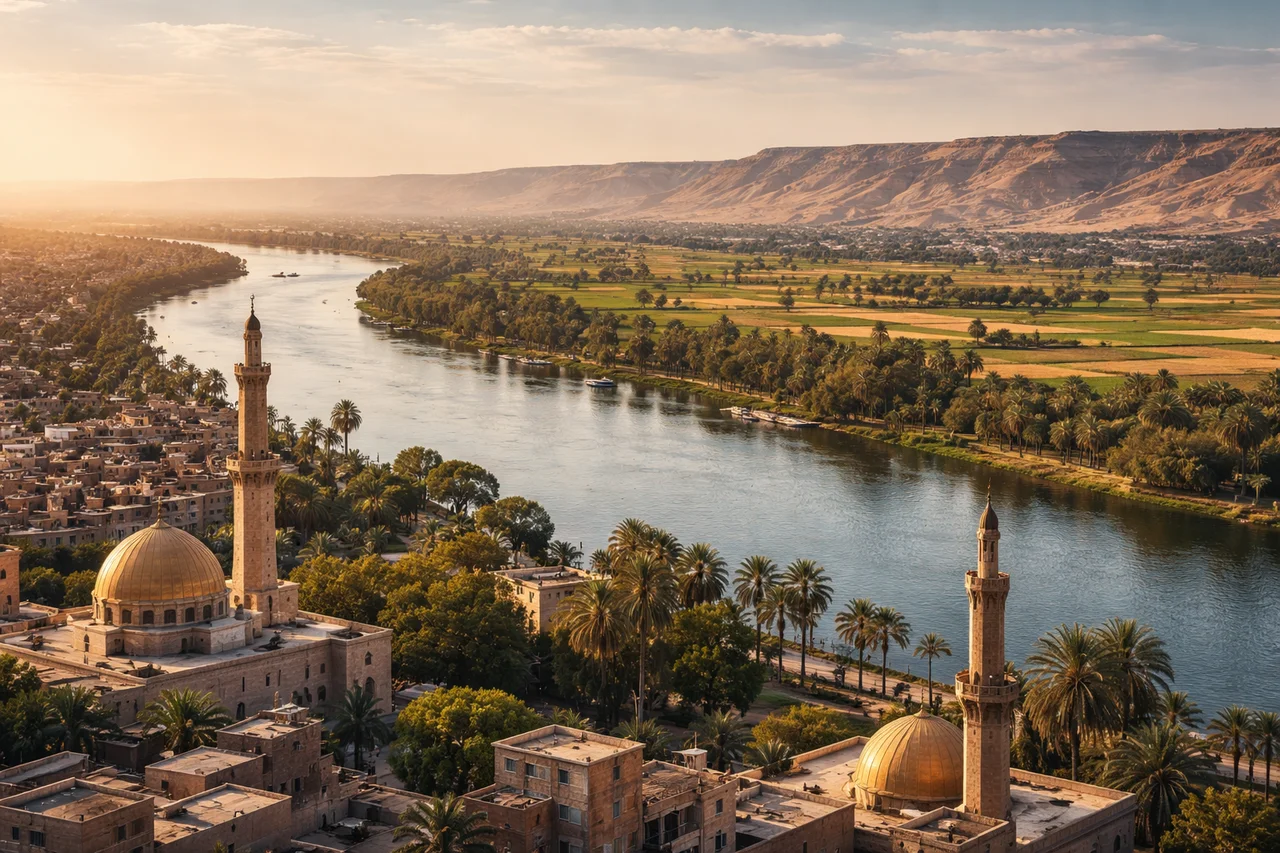 Upper Egypt
Beni Suef
Known for the Meidum Pyramid and traditional rural landscapes along the Nile. A quiet gateway to Upper Egypt.
Explore Beni Suef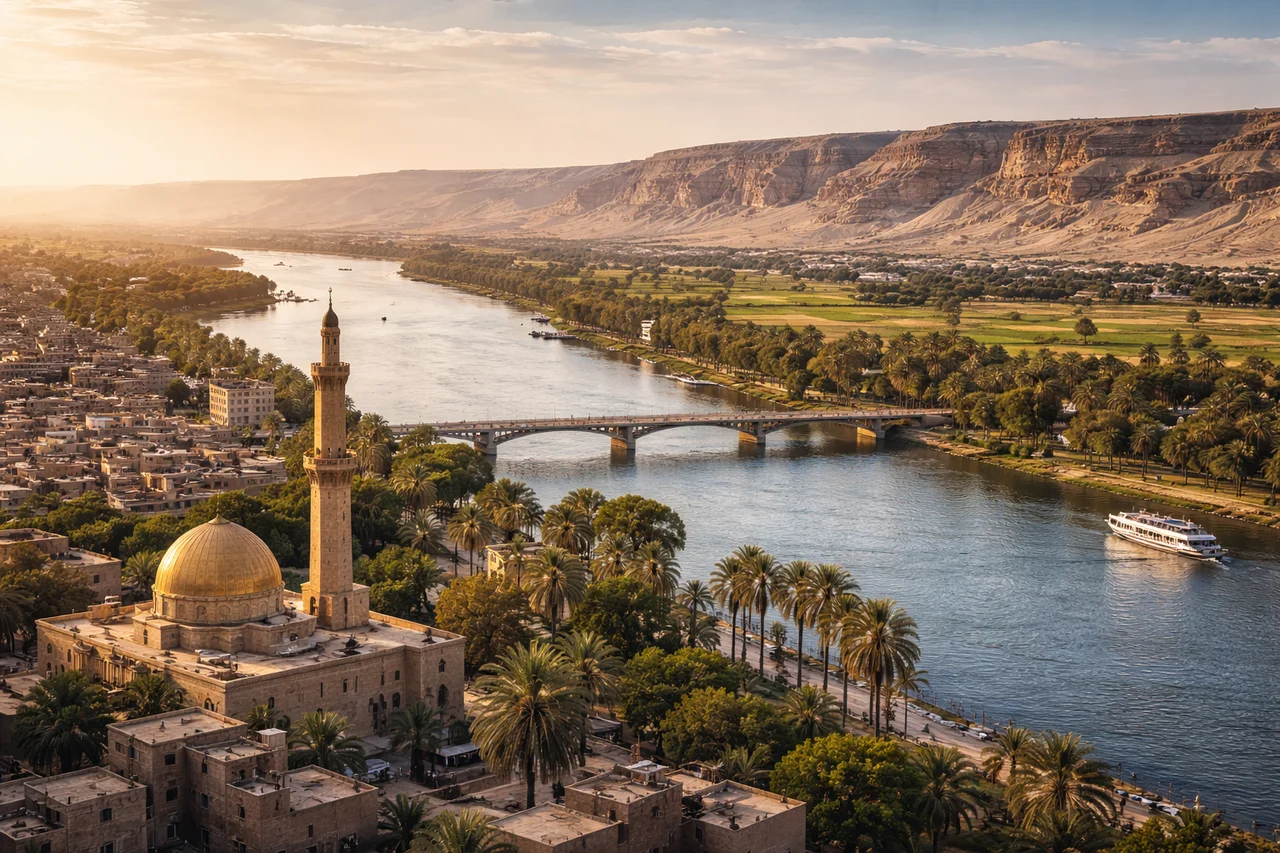 Upper Egypt
Minya
"The Bride of Upper Egypt". Home to Tell El Amarna (Akhenaten's city) and the tombs of Beni Hasan. A deep dive into Egypt's ancient past.
Explore Minya Upper Egypt
Asyut
The largest city in Upper Egypt, known for its university and the Monastery of the Virgin Mary. A center of learning and Coptic heritage.
Explore Asyut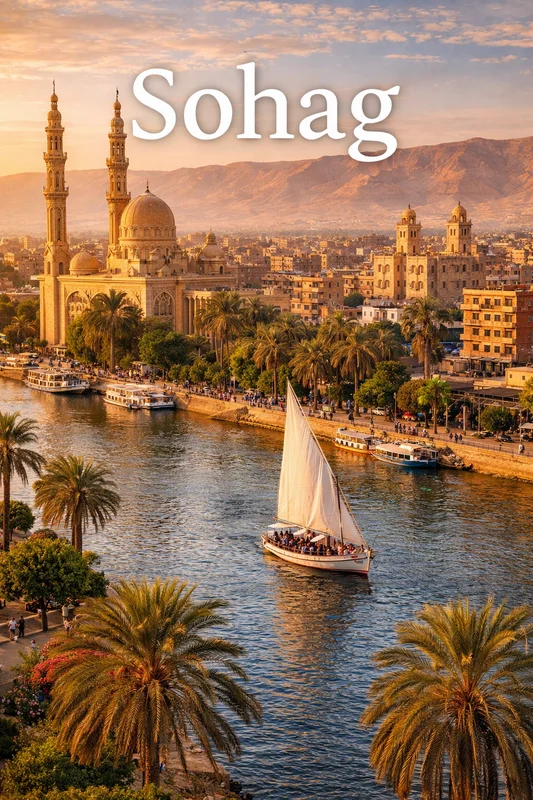 Upper Egypt
Sohag
Rich in Coptic history with the Red and White Monasteries, and the ancient temple of Abydos nearby. A spiritual and historical destination.
Explore Sohag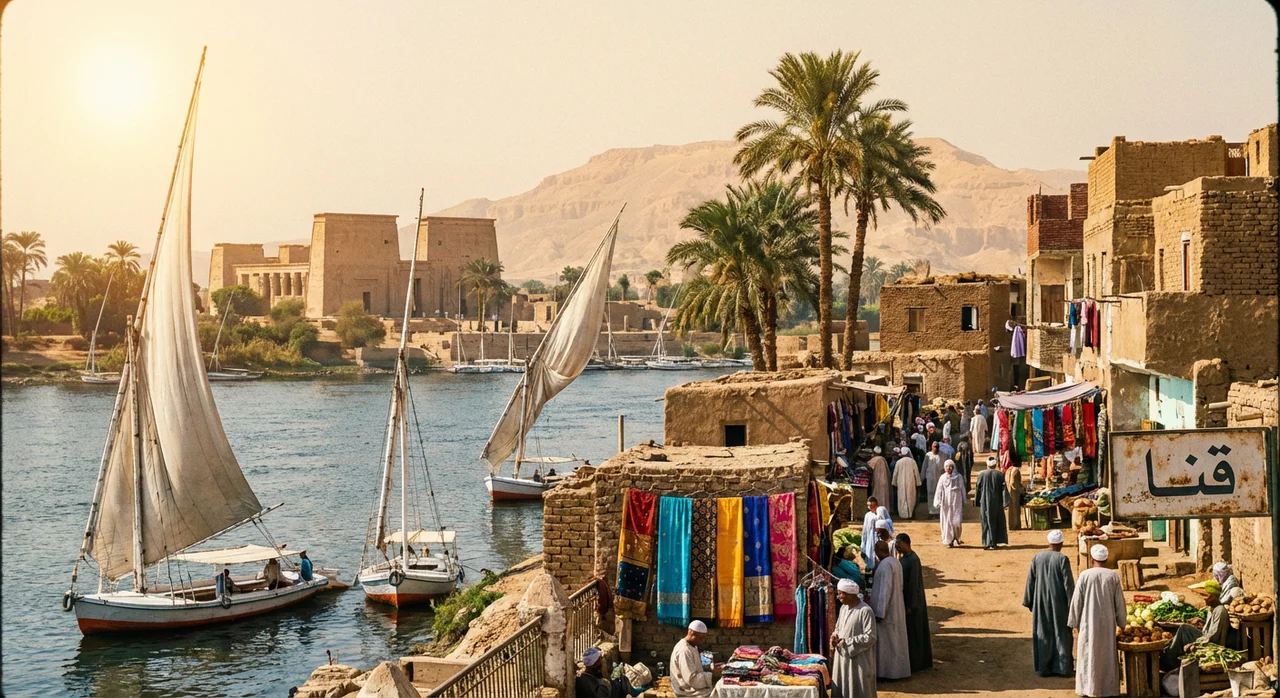 Upper Egypt
Qena
Famous for the Dendera Temple complex, one of the best-preserved temple complexes in Egypt. A must-visit for temple enthusiasts.
Explore Qena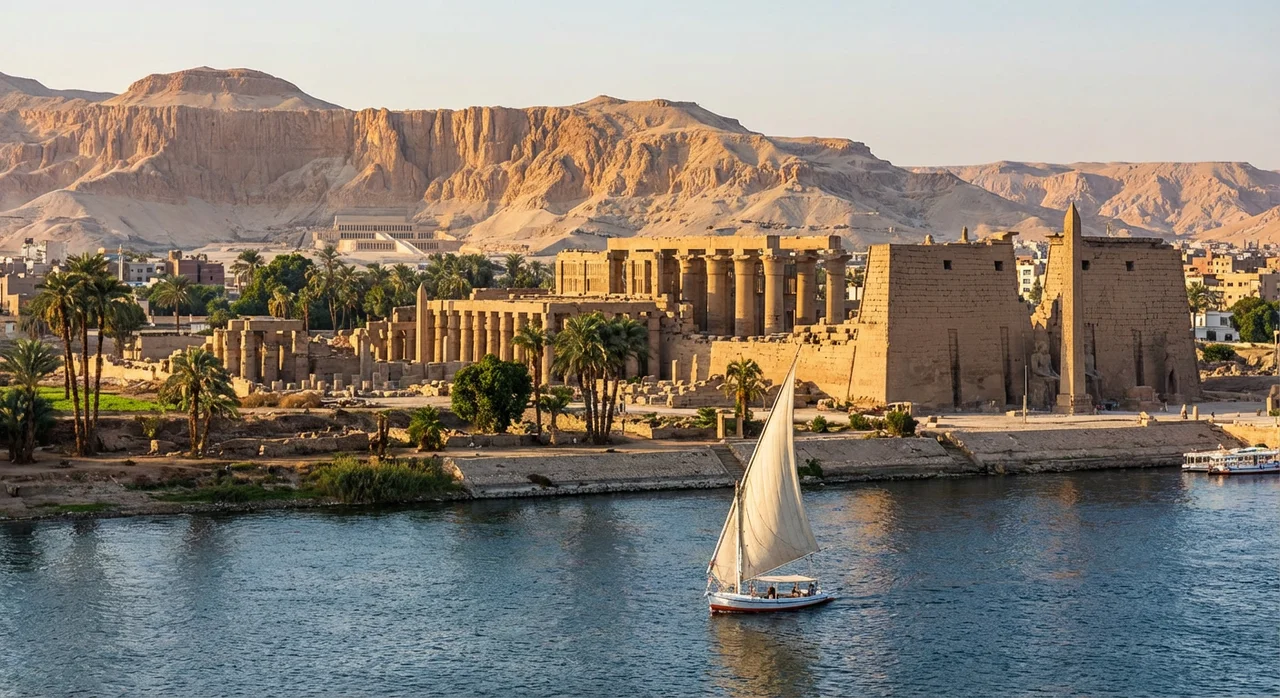 Upper Egypt
Luxor
The ancient city of Thebes. Home to the Valley of the Kings, Karnak, and Luxor Temples. The world's greatest open-air museum.
Explore Luxor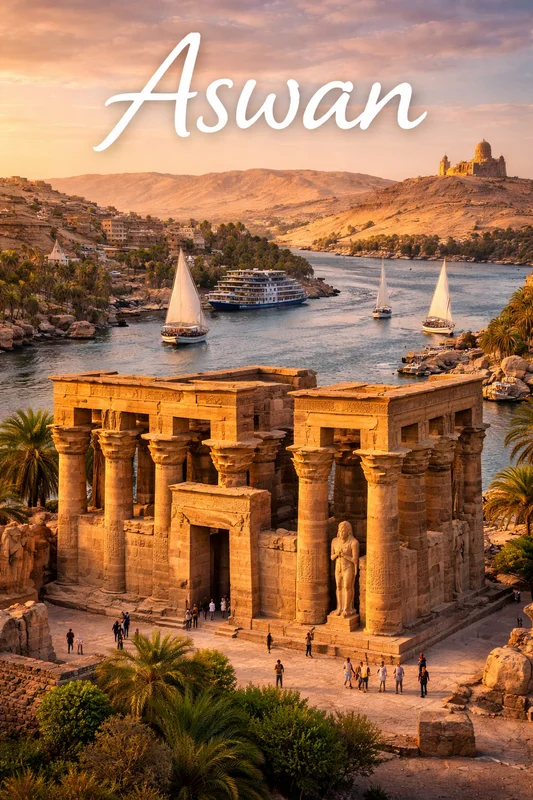 Upper Egypt
Aswan
Famous for its beautiful Nile scenery, Philae Temple, the High Dam, and Nubian culture. A serene and colorful city on the Nile.
Explore Aswan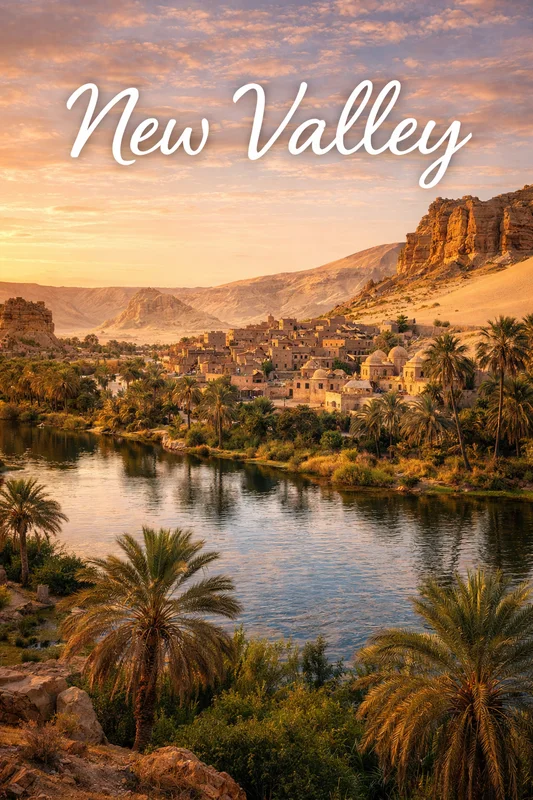 Frontier
New Valley
The largest governorate, home to Kharga and Dakhla oases and vast desert landscapes. A destination for adventure and ancient desert routes.
Explore New Valley🔍 People Also Ask About Egypt's Cities
- How many governorates are there in Egypt?
- What is the capital city of Egypt?
- Which Egyptian city is best for ancient history?
- What are the best Red Sea cities in Egypt for diving?
- Is Alexandria worth visiting in Egypt?
- What is the difference between Upper and Lower Egypt?
- Which Egyptian oasis is the most beautiful?
Frequently Asked Questions About Egypt's Cities & Governorates
How many governorates are there in Egypt?
Egypt has 27 governorates (muhafazat), which are the primary administrative divisions. These are grouped into five regions: Greater Cairo, Lower Egypt (Delta), Upper Egypt (Sa'id), Canal Cities, and Frontier governorates (Sinai, Red Sea, and desert oases).
What is the capital city of Egypt?
Cairo is the capital city of Egypt and the largest city in the country. It is the political, cultural, and economic heart of Egypt, located along the Nile River. Cairo is also the gateway to the ancient pyramids of Giza.
Which Egyptian city is best for ancient history?
Luxor and Aswan are the best cities for ancient Egyptian history. Luxor is home to the Valley of the Kings, Karnak Temple, and Luxor Temple, while Aswan features Philae Temple, Abu Simbel, and the High Dam. For a deeper experience, consider a Nile cruise between the two.
What are the best Red Sea cities in Egypt for diving?
Hurghada and Sharm El Sheikh are the top Red Sea cities for diving and snorkeling. Marsa Alam is also growing in popularity for its pristine reefs, dolphin encounters, and more remote diving sites. All offer world-class marine biodiversity.
Is Alexandria worth visiting in Egypt?
Yes, Alexandria — the Bride of the Mediterranean — is absolutely worth visiting. It offers a unique blend of Greco-Roman history, Mediterranean culture, the famous Bibliotheca Alexandrina, and the Qaitbay Citadel. It's a perfect coastal escape from Cairo.
What is the difference between Upper and Lower Egypt?
Upper Egypt (Sa'id) refers to the southern part of the country along the Nile Valley, from Cairo south to Aswan. Lower Egypt is the northern region, including the Nile Delta and the coast along the Mediterranean. The names derive from the flow of the Nile — upstream (south) is Upper Egypt, downstream (north) is Lower Egypt.
Which Egyptian oasis is the most beautiful?
Siwa Oasis in the Western Desert is often considered the most beautiful and culturally unique oasis in Egypt, with its ancient fortress, salt lakes, and Amazigh heritage. Faiyum, Kharga, and Dakhla oases also offer stunning landscapes and historical sites.
Plan Your Egypt Journey Today
Our travel experts are ready to help you design the perfect itinerary. Chat with us on WhatsApp for personalized recommendations, tour packages, and insider tips.
Chat with us on WhatsApp