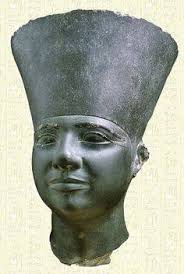
Basic Identity
Userkaf is recognized as the pivotal first king of the Fifth Dynasty, initiating a new era in Egyptian history focused on the sun god Ra.
| Name Meaning | “Powerful is his Ka” |
|---|---|
| Titles | King of Upper & Lower Egypt, Son of Ra |
| Dynasty | Fifth Dynasty (Old Kingdom) |
| Reign | c. 2494–2487 BCE (Approx. 7 Years) |
A New Era
Userkaf's reign marks a significant dynastic transition from the monumental builders of the Fourth Dynasty (Giza) to the theological rulers of the Fifth. It represents a shift from purely physical royal power (huge pyramids) to religious legitimacy, centering on the Solar Kingship tradition.
Origins & Family
Ancient sources are ambiguous about his exact parentage. He may have been the son of a royal woman (Neferhetepes) related to the Fourth Dynasty kings, or possibly connected to the powerful Priesthood of Ra in Heliopolis (as suggested by the Westcar Papyrus legend). His rise represents ideological continuity rather than a violent coup.
Son of Ra
Userkaf revolutionized Egyptian religion by elevating Ra to the status of supreme state god. He was the first to prominently use the title "Son of Ra" as a core part of the royal titulary, forever linking the pharaoh's biological nature to the sun god. This empowered the Heliopolitan priesthood significantly.
The Ruined Pyramid
Userkaf built his pyramid at Saqqara, close to the Step Pyramid of Djoser. Named Wab-Isut-Userkaf ("Pure are the Places of Userkaf"), it was much smaller than the Giza pyramids (only 49m high). The core was built of rough masonry and rubble, encased in fine limestone. This faster but less durable construction method led to its current ruined state.
Refined Artistry
Despite smaller monuments, the artistic quality of his reign was superb. Fragments of reliefs found at his temples display refined craftsmanship, focusing on detailed religious scenes and the natural world (birds, marshes) rather than just monumental displays of power.
Temple Economy
Userkaf began a trend of granting significant power and land endowments to religious institutions, particularly the temples of Ra. While this stimulated local economies and temple estates, it also laid the groundwork for the decentralization of the Old Kingdom, as priests gained independence from the crown.
Trade & Stability
His reign was largely peace-oriented, focused on internal stability and religion. However, trade continued with Nubia (for stone and gold) and the Levant (for timber), maintaining Egypt's economic networks. A vessel bearing his name was found on the island of Kythera, suggesting far-reaching trade connections.
Historical Legacy
Userkaf's greatest legacy is the Fifth Dynasty Ideology: kings who were smaller builders but greater theologians. He shifted the focus from the King as a god to the King as the servant and son of Ra. His introduction of the Sun Temple set a precedent followed by his successors for generations.
📌 Comprehensive Summary
👑 Name: Userkaf (Powerful is his Ka)
🕰️ Era: 5th Dynasty (Old Kingdom)
⚔️ Key Achievement: First Sun Temple & Rise of Ra
🪨 Monument: Pyramid at Saqqara