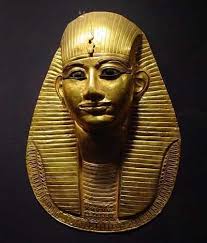
Basic Identity
Smendes (Egyptian name: Nesbanebdjed) was the founder of the 21st Dynasty and the first king of the Third Intermediate Period. His reign marked the official end of the New Kingdom and the beginning of a divided Egypt. Ruling from the city of Tanis in the Delta, he represented a new kind of kingship based on regional power rather than imperial conquest.
| Name Meaning | “He of the Ram, Lord of Mendes” |
|---|---|
| Dynasty | 21st Dynasty (Third Intermediate Period) |
| Reign | c. 1069–1043 BCE (Approx. 26 Years) |
| Capital | Tanis (Lower Egypt) |
A New Era Begins
Smendes is historically significant because he formalized the political division of Egypt. While he claimed the title of Pharaoh over the whole land, in reality, his direct control was limited to Lower Egypt (the North). Upper Egypt (the South) was effectively ruled by the High Priests of Amun at Thebes. Smendes navigated this delicate balance with diplomacy rather than civil war.
From Official to King
Before becoming king, Smendes was a powerful administrator in the Nile Delta, possibly carrying the title of "Great One of the Ma." His rise wasn't a military coup but a gradual accumulation of influence. He married Tentamun, a daughter of Ramesses XI, which gave him the necessary legitimacy to claim the throne after the death of the last Ramesside king.
Two Lands, Two Rulers
Smendes ruled from the north, while the High Priest of Amun, Pinedjem I, ruled from Thebes in the south. This created a unique dual system: Smendes was the secular king recognized by foreign powers, while the High Priests held religious and military authority in Upper Egypt. Remarkably, relations between the two centers of power were generally peaceful, cemented by marriage alliances.
Stability Over Conquest
Smendes' foreign policy was one of caution. Egypt no longer had the wealth or manpower for imperial expansion. Instead, he focused on maintaining peace and order within the Delta. The famous "Report of Wenamun," a literary text from this period, depicts Smendes as a respected administrator organizing trade for cedar wood, showing that Egypt still maintained commercial, if not military, ties with the Levant.
Religion as Balance
Understanding the power of the priesthood, Smendes honored traditional gods and supported Amun, albeit from his northern capital. By promoting local Delta cults alongside the state god Amun, he maintained a religious balance that kept the northern population loyal while avoiding conflict with the powerful priests in Thebes.
A Quiet End
Smendes died after a reign of about 26 years, having successfully transitioned Egypt from the Ramesside empire to a decentralized state. He was likely buried at Tanis, establishing the tradition of royal burials within the temple precincts of the Delta capital—a security measure against the tomb robbing that plagued the Valley of the Kings.
Eras of Change
| Period | Nature of Rule | Capital |
|---|---|---|
| New Kingdom | Imperial & Centralized | Thebes / Pi-Ramesses |
| Smendes' Era | Divided & Regional | Tanis / Thebes |
| Late Period | Fragmented & Weak | Various (Sais, Bubastis) |
📌 Visitor-Friendly Summary
Smendes was the king who ruled Egypt after greatness—and kept it alive. He didn’t conquer the world, but he prevented collapse.
👑 Key Title: Founder of the 21st Dynasty
🏙️ Legacy: Establishing Tanis
⚖️ Achievement: Peaceful Coexistence with Thebes