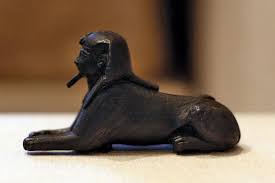
Basic Identity
Shoshenq I (Egyptian: Sheshonq) founded the 22nd Dynasty, often called the "Libyan Dynasty." Ruling from the city of Bubastis in the eastern Delta, he unified a fragmented Egypt and launched a vigorous foreign policy that brought the country back onto the world stage after decades of isolation.
| Throne Name | Hedjkheperre-Setepenre ("Bright is the Manifestation of Ra, Chosen of Ra") |
|---|---|
| Dynasty | 22nd Dynasty (Libyan Dynasty) |
| Reign | c. 945–924 BCE (Approx. 21 Years) |
| Capital | Bubastis (Lower Egypt) |
A Return to Power
Shoshenq I is historically significant for ending the dominance of the Tanite kings and reunifying much of Egypt under a single centralized authority. Most notably, he launched a major military campaign into the Levant, the first such expansion since Ramesses III, reasserting Egyptian influence in the biblical lands.
Foreign Blood, Egyptian Crown
Shoshenq I was of Libyan descent, coming from the Meshwesh tribe who had settled in the Delta generations earlier. Though ethnically foreign, his family had become thoroughly Egyptianized. Before becoming king, he held high military office and consolidated power by marrying into the royal family, proving that power in the Third Intermediate Period came from military strength and strategic alliances.
Family Strategy
He took the throne peacefully, marking a new dynastic era. To control the influential priesthood in Thebes without war, he appointed his own son, Iuput, as the High Priest of Amun. This masterstroke ended the hereditary succession of the Theban priests and brought Upper Egypt back under royal control, effectively reunifying the country through family governance.
Stone Testimony
Upon his return, Shoshenq I commissioned the Bubastite Portal at the Temple of Karnak. This massive relief depicts the king smiting his enemies and lists over 150 conquered cities and towns in the Levant, including Megiddo and possibly Jerusalem. It stands as the most important historical document of his reign and a testament to his military success.
Short-Term Prosperity
The tribute and war booty from his campaign enriched the temples and the royal treasury, sparking a brief economic revival. He reopened trade routes and engaged in building projects at Karnak, Memphis, and his capital Bubastis. However, his administration relied heavily on decentralized control through local governors and family members, a system that would eventually lead to fragmentation after his death.
A Mystery Remains
Shoshenq I died naturally after a reign of about 21 years. Despite his power, his tomb remains undiscovered. It was likely located at Tanis or Bubastis and may have been robbed in antiquity. He was succeeded by his son Osorkon I, who continued the dynasty, but the unity Shoshenq forged was fragile and would eventually crumble back into rival statelets.
A Turning Point
| King | Foreign Policy | Legacy |
|---|---|---|
| Psusennes I | Isolation | Wealth & Stability |
| Shoshenq I | Expansion | Biblical Campaign & Unity |
| Osorkon I | Consolidation | Internal Wealth |
📌 Visitor-Friendly Summary
Shoshenq I was the king who brought Egypt back onto the world stage—one last time. His name echoes in scripture and stone.
👑 Key Title: Founder of the Libyan Dynasty
⚔️ Achievement: The Invasion of Judah (Shishak)
🏛️ Monument: The Bubastite Portal at Karnak