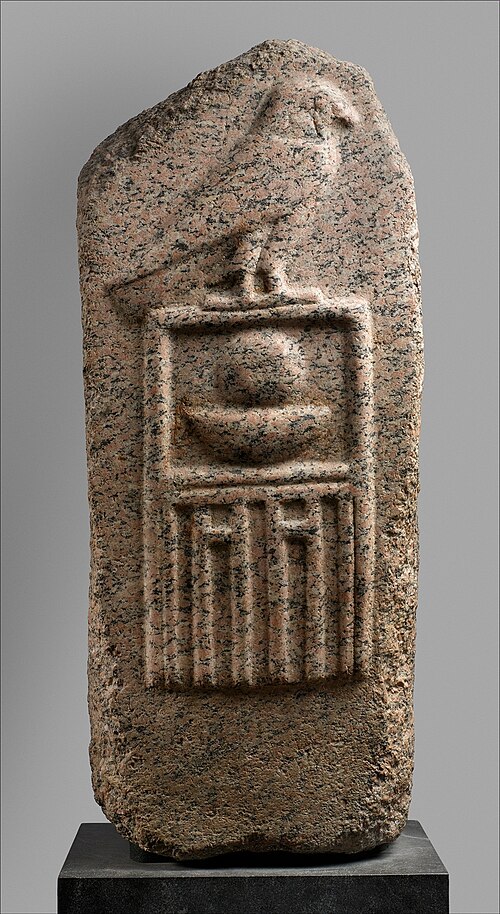
King Raneb
The pioneer who first linked the monarchy with the sun god Ra.
(Hor-Raneb — Ra is the Lord)
🕰️ Reign
c. 2850 BC
☀️ Innovation
First to name Ra
🏛️ Dynasty
2nd Dynasty
⚰️ Burial
Unknown
Chronological & Historical Context
King Raneb ruled during the early Second Dynasty, a period of transition and religious innovation. He succeeded Hotepsekhemwy, the founder of the dynasty, and is best known for his theological breakthrough—explicitly linking the monarchy with the sun god Ra.
- Reign: Approximately 2850 – 2840 BC (circa 10–14 years).
- Dynasty: 2nd Dynasty, second pharaoh.
- Significance: First king to incorporate the name of the sun god Ra into his Horus name—a revolutionary shift in royal ideology.
- Predecessor: Hotepsekhemwy (founder of the 2nd Dynasty).
- Successor: Nynetjer.
Name, Titles, and Identity
🔹 Horus Name: Hor-Raneb or Hor-Nebra
The king's Horus name is composed of the falcon (Hor) and the name of the sun god Ra (or Neb, meaning "Lord").
➡️ Interpretation: "Ra is the Lord" or "The Lord is Ra." The order of the signs is ambiguous, but both readings convey the same essential meaning—the supremacy of the sun god.
🔹 Alternative Names and Variants
- Nebra, Reneb, Raneb: Various spellings found in different sources.
- Abydos King List: Likely appears as Kakau (though some scholars assign this name to his predecessor or successor).
- Saqqara King List: Appears as Kakau.
- Turin King List: Damaged, but a fragment may preserve his name.
- Manetho: Recorded as Kaiechos (or Chaires), with a reign of 39 years (likely an exaggeration).
Egypt Before Raneb
The Second Dynasty began with Hotepsekhemwy, who succeeded the last king of the First Dynasty, Qa'a. The transition appears to have been peaceful, and Hotepsekhemwy established a new royal house.
- Predecessor: Hotepsekhemwy, the founder of the Second Dynasty.
- State of the Realm: Egypt was a mature, centralized state with a developed bureaucracy and established religious institutions.
- Religious Landscape: The cult of Horus was dominant, but the sun cult of Heliopolis was gaining influence. Raneb's innovation reflected this shift.
Reign & Major Events
Very little is known about specific events of Raneb's reign. There are no surviving annals like the Palermo Stone for this period. However, based on his name and the artifacts found, he likely:
- Continued Administrative Consolidation: He maintained the bureaucratic structures established by Hotepsekhemwy.
- Maintained Control Over the Country: Finds at both Abydos (south) and Saqqara (north) confirm his authority over the Two Lands.
- Trade and Mining: A possible rock inscription at Wadi Maghara in the Sinai suggests he may have sponsored expeditions for turquoise and copper.
- Religious Innovation: His most significant act was incorporating Ra into his royal name, signaling a major shift in royal ideology.
The Revolutionary Innovation: Incorporating Ra
This is the single most important and defining aspect of Raneb's legacy—a theological breakthrough that would shape Egyptian kingship for millennia.
☀️ First King to Name Ra
- Historic First: Raneb was the very first Egyptian king to include the name of the sun god Ra (Re) in his Horus name.
- Previous Tradition: Royal names had focused exclusively on Horus, the falcon-god of kingship.
- New Meaning: By naming himself "Ra is the Lord" or "Lord is Ra," he explicitly associated the monarchy with the sun god.
🔭 Theological Shift
- Solar Theology: This introduced the concept that the king's authority derived not only from Horus but also from the sun's life-giving and cosmic power.
- Heliopolitan Influence: The sun cult was centered at Heliopolis in Lower Egypt. By invoking Ra, Raneb may have been strengthening ties with the northern priesthood.
- Foreshadowing: This innovation foreshadowed the solar theology that would become dominant from the 4th Dynasty onward.
Family and Royal Lineage
Raneb's family connections are very poorly known due to the scarcity of Second Dynasty records:
- Predecessor: Hotepsekhemwy, founder of the Second Dynasty. The transition appears to have been peaceful.
- Relationship to Hotepsekhemwy: Unknown. He may have been a son, a brother, or an unrelated noble who took the throne. No clear evidence establishes a blood link.
- Successor: Nynetjer, who may have been his son or a close relative.
- Consort/Wives: No queen is definitively attested for Raneb. No burials of a queen from his reign have been positively identified.
- Children: None are directly attested, though Nynetjer is sometimes speculated to have been his son.
Other Attestations
Despite his short reign, Raneb left behind several archaeological remains:
- Stone Vessels: Numerous stone vessels (alabaster, diorite, and breccia) inscribed with his name have been found at Saqqara, Abydos, and other sites.
- Seal Impressions: Clay and mud seal impressions bearing his Horus name have been found in early Second Dynasty strata at Saqqara.
- Ivory Labels: Small commemorative ivory plaques with his name and brief inscriptions have been recovered.
- Sinai Inscription: A rock inscription at Wadi Maghara in the Sinai is believed by some scholars to bear his name, indicating mining expeditions.
- Statue Fragment: A small fragment of a schist statue (now lost) was said to bear his name, but its authenticity is disputed.
Governance & Administration
Raneb inherited a well-organized state and maintained its administrative structures:
- Centralized Bureaucracy: He continued the system of officials, scribes, and nomarchs established by his predecessor.
- Taxation & Tribute: The agricultural estates and taxation system remained functional.
- Record Keeping: Seal impressions and labels indicate continued administrative record keeping.
- Royal Estates: The crown controlled vast agricultural estates that supported the court.
Religion & Ideology
Raneb's religious innovation was the defining feature of his reign, reflecting a shift toward solar theology:
- Solar Cult: By naming himself after Ra, he elevated the sun god to a central position in royal ideology.
- Heliopolis: The sun cult was centered at Heliopolis, and Raneb's name suggests he sought to integrate this northern cult with the traditional Horus-based kingship.
- Horus and Ra: His name combined the Horus falcon with the sun god, creating a new theological synthesis.
- Funerary Cult: Though his burial place is unknown, he likely maintained the royal funerary cult.
Key Artifacts of Raneb
Several significant artifacts from Raneb's reign have survived, providing insight into his rule:
- Stone Vessels: Hundreds of fine stone vessels bearing his name, found at Saqqara and Abydos.
- Seal Impressions: Clay seals bearing his Horus name, found in early Second Dynasty contexts.
- Ivory Labels: Commemorative plaques with brief inscriptions.
- Sinai Rock Inscription: At Wadi Maghara, possibly bearing his name and confirming mining expeditions.
- Statue Fragment: A disputed schist fragment said to bear his name.
Burial: The Unknown Tomb
Unlike the First Dynasty kings, whose tombs at Abydos have been positively identified, Raneb's burial place has not been conclusively located:
- No Tomb at Abydos: No tomb in the Umm el-Qa'ab royal cemetery has been firmly attributed to Raneb. The Second Dynasty kings appear to have shifted their burial practices.
- Possible Tomb at Saqqara: Some Egyptologists speculate that he may have been buried at Saqqara, near the Step Pyramid complex, where later Second Dynasty kings (such as Nynetjer) also built their tombs.
- Reason for Absence: The shift away from Abydos may reflect a change in religious ideology—possibly linked to the growing importance of the sun god Ra and the Heliopolitan solar cult, which favored burial closer to Memphis, the northern capital.
- Undiscovered: It is also possible that his tomb remains undiscovered or was destroyed in antiquity.
Art in the Age of Raneb
The art of Raneb's reign continued the conventions of the First Dynasty, with a new focus on solar symbolism:
- Relief Carving: Stone vessels feature fine hieroglyphic inscriptions.
- Iconography: The Horus falcon remains prominent, but the name of Ra begins to appear alongside it.
- Solar Symbolism: The introduction of Ra into the royal name marked the beginning of solar imagery in royal titulary.
- Craftsmanship: Stone vessels and seal impressions reflect a continued high level of craftsmanship.
Legacy & Transition to Nynetjer
Raneb's legacy, though based on a single but profound innovation, is of immense historical importance:
- Pioneer of Solar Kingship: By introducing Ra into the royal titulary, Raneb set a precedent that would be followed by almost every subsequent pharaoh.
- Religious Integration: His name reflects an early attempt to integrate the solar cult of Heliopolis with the traditional Horus-based kingship—a synthesis that would become a cornerstone of Egyptian state theology.
- Cultural Bridge: Raneb stands as a transitional figure between the archaic kingship of the First Dynasty and the mature, pyramid-building civilization of the Old Kingdom.
- Peaceful Succession: His reign appears to have ended peacefully, with Nynetjer succeeding him without conflict. Unlike the First Dynasty, there is no evidence of damnatio memoriae against Raneb.
- Historical Recognition: He was remembered in later king lists (Saqqara and Abydos) as a legitimate ruler, confirming that later Egyptians honored him as a key ancestral king.
📌 Comprehensive Summary
👑 Name: Raneb (Hor-Raneb — Ra is the Lord)
🕰️ Era: Early Dynastic Period (c. 2850 – 2840 BC)
🏛️ Dynasty: 2nd Dynasty, 2nd Pharaoh
☀️ Greatest Legacy: First king to incorporate the sun god Ra into his royal name
👪 Family: Predecessor Hotepsekhemwy → Successor Nynetjer
⚰️ Burial: Unknown (possibly at Saqqara; no tomb conclusively identified)