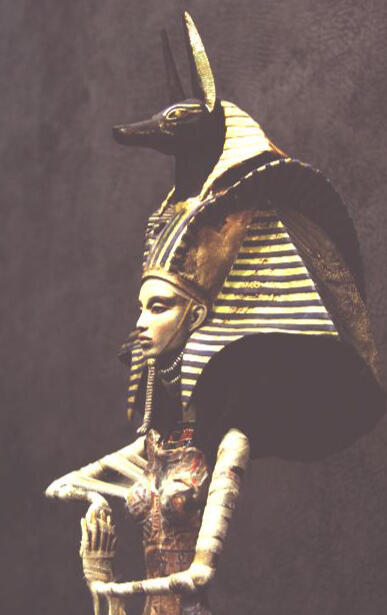
Chronological & Historical Context
Nitocris is the name given to a queen who is said to have been the last monarch of Egypt's Sixth Dynasty, reigning at the very end of the Old Kingdom period. She is a figure shrouded in mystery, known primarily from Greek and Roman-era writings rather than contemporary Egyptian records.
- Reign: Approximately 2184 – 2181 BC (circa 2 years; Manetho suggests 12 years).
- Dynasty: 6th Dynasty, last pharaoh.
- Significance: Recognized as the first female pharaoh to hold sole power over Egypt, preceding Hatshepsut by centuries.
- Predecessor: Merenre Nemtyemsaf II (her brother and husband).
- Successor: The Old Kingdom collapsed after her reign, leading to the First Intermediate Period.
Name, Titles, and Identity
🔹 Greek Name: Nitocris (Νίτωκρις)
The name "Nitocris" is the Greek rendering of her Egyptian name. The Greek historian Herodotus is the primary source for her story and name.
➡️ Interpretation: The name is thought to derive from the Egyptian Nitiqret, meaning "the victorious one" or possibly a variant of the goddess Neith's name.
🔹 Alternative Names and Variants
- Nitiqret, Nitiqreti, Nitocret: Egyptian variants of her name.
- Neitiqerty Siptah: A name on the Turin King List that some scholars identify with Nitocris.
- Nicaule: The name given to her by the historian Flavius Josephus.
- Turin King List: A fragmentary entry may preserve her name.
- Manetho: Described her as the "noblest and most beautiful woman of her time, of fair complexion."
Egypt Before Nitocris
The Sixth Dynasty was the last great dynasty of the Old Kingdom, a period of pyramid-building and central power. However, by the end of the dynasty, the country was in decline.
- Predecessors: Pepi II (her father) reigned for approximately 94 years, one of the longest reigns in history. He was followed by Merenre Nemtyemsaf II (her brother and husband), who ruled for only about a year.
- State of the Realm: The Old Kingdom was in decline, with the power of the central government weakening and provincial nomarchs gaining independence.
- Political Instability: The assassination of Merenre Nemtyemsaf II created a crisis that led to Nitocris's ascension.
The Legend of Revenge
Nitocris's fame rests almost entirely on a dramatic story recorded by the ancient Greek historian Herodotus in his Histories (c. 430 BC).
📖 Herodotus's Account
- Murder of Her Brother: After her brother-husband was murdered by his subjects, Nitocris was given the throne.
- The Banquet: To avenge him, she built a large underground chamber and invited all the chief conspirators to a grand banquet inside it.
- The Flood: During the feast, she secretly opened a channel, flooding the room with water from the Nile and drowning all the plotters.
- Her End: After exacting her revenge, she took her own life by walking into a chamber filled with hot ashes to avoid retribution from the assassins' remaining allies.
🏛️ Other Ancient Sources
- Manetho: Described her as the "noblest and most beautiful woman of her time, of fair complexion," and claimed she built the "third pyramid" at Giza (though modern archaeology attributes this to Menkaure).
- Eratosthenes: Mentioned her in his king list.
- Josephus: Referred to her as Nicaule.
- Turin King List: May preserve her name, suggesting she was a historical figure.
Ancient Sources
Nitocris is mentioned by several ancient writers, each contributing to her semi-legendary status:
- Herodotus (Histories, Book 2): Provides the most detailed account of her story, including the banquet and the flooding of the chamber.
- Manetho (Aegyptiaca): The Egyptian priest described her as beautiful and noble, and credited her with building the third pyramid (a likely confusion).
- Eratosthenes: Included her in his king list, suggesting she was recognized as a legitimate ruler.
- Flavius Josephus (Against Apion): Referred to her as Nicaule, confirming the persistence of her memory.
- Turin King List: A fragmentary entry may preserve her name, though the identification is debated.
Scholarly Debate and Historicity
For over a century, the historical existence of Nitocris has been a subject of intense debate among Egyptologists.
❌ Arguments Against Historicity
- Lack of Physical Evidence: No contemporary inscriptions, monuments, or tomb have been definitively linked to a Queen Nitocris from the Sixth Dynasty.
- Scribal Error Theory: Egyptologist Kim Ryholt suggests that "Nitocris" is a legendary figure derived from a misreading of the male king Neitiqerty Siptah, whose name appears on the Turin King List.
- Similar Stories: Herodotus tells a very similar story of a king flooding a chamber with a river just a few chapters later, leading some scholars to view the Nitocris tale as a literary motif.
✅ Arguments For Historicity
- Ancient Testimony: She is mentioned independently by several ancient writers, including Herodotus, Manetho, Eratosthenes, and Josephus, suggesting a persistent tradition.
- Emerging Acceptance: A growing number of Egyptologists, building on the work of Percy E. Newberry, have come to accept that Herodotus's account may have some basis in fact.
- Role of Queens: It is historically plausible that a queen could have ruled at the end of the Sixth Dynasty, given the political chaos and the precedent of royal women holding significant power.
Reign & The End of the Old Kingdom
Nitocris's reign, whether real or legendary, represents the final chapter of the Old Kingdom, a golden age of pyramid-building and central power that collapsed soon after.
- Duration: Herodotus suggests a reign of about 2 years, while Manetho claims 12 years. The shorter duration is generally considered more plausible.
- Context of Rule: She likely inherited a country in crisis, with a weakened central government and powerful provincial nomarchs asserting their independence.
- The End of an Era: After her reign, the Old Kingdom collapsed, giving way to the First Intermediate Period—a time of civil strife, famine, and political fragmentation.
- Symbolic Significance: Her reign, even if semi-legendary, marks the transition from the age of pyramid-builders to a period of chaos.
Family and Royal Lineage
Nitocris is believed to have been a member of the royal family during a period of decline:
- Father: Likely Pepi II, one of the longest-reigning pharaohs in Egyptian history (ruled for approximately 94 years).
- Mother: Possibly Queen Neith (a wife of Pepi II).
- Brother and Husband: According to tradition, she was married to her brother, Merenre Nemtyemsaf II, who succeeded Pepi II.
- Reign Context: Her brother-husband's reign was short, lasting only about a year. He was reportedly murdered by conspirators, leading to Nitocris's ascension to the throne.
- Successor: The Sixth Dynasty ended with her, and the First Intermediate Period followed.
The Role of Queens in Ancient Egypt
Nitocris's story highlights the important and sometimes powerful role of royal women in ancient Egypt:
- Queen Regnants: While most pharaohs were men, several women are known to have ruled in their own right, including Hatshepsut, Sobekneferu, and Cleopatra VII.
- Nitocris as Pioneer: If historical, Nitocris is recognized as the first Queen Regnant of Egypt—the first woman to rule as pharaoh in her own right, preceding Hatshepsut by hundreds of years.
- Royal Women's Power: Even when not ruling, queens and royal mothers often held significant influence, acting as regents for young kings or wielding political power behind the scenes.
- Religious Roles: Queens also held important religious roles, often serving as the "God's Wife of Amun" or other priestly titles.
Other Attestations
Unlike many other pharaohs, Nitocris's attestations are almost exclusively from later sources:
- Herodotus's Histories: The primary and most detailed source for her story.
- Manetho's Aegyptiaca: Mentioned her as the last ruler of the Sixth Dynasty.
- Eratosthenes's King List: Included her as a legitimate ruler.
- Flavius Josephus: Referred to her as Nicaule.
- Turin King List: A fragmentary entry may preserve her name (as Neitiqerty Siptah), though this is debated.
- No Contemporary Evidence: No inscriptions, monuments, or tomb have been definitively linked to her from the Sixth Dynasty period.
Burial: The Unknown Tomb
No tomb has been identified for Nitocris, which is a major factor in the debate over her historicity:
- No Tomb Identified: Unlike many pharaohs, no burial place has been conclusively attributed to Nitocris.
- Possible Locations: If she existed, she may have been buried at Saqqara (where many Sixth Dynasty kings were buried) or at Abydos, but no evidence has been found.
- Reasons for Absence: The chaos at the end of the Old Kingdom may have led to her tomb being robbed or destroyed. Alternatively, her brief reign may have meant she was buried in an unmarked or unfinished tomb.
- Impact on Debate: The absence of a tomb is one of the strongest arguments against her historicity, as nearly every other pharaoh left some identifiable burial monument.
Art in the Age of Nitocris
Since no contemporary artifacts from Nitocris's reign have been identified, our knowledge of the art of the period comes from the broader context of the late Old Kingdom:
- Late Old Kingdom Art: The art of the late Sixth Dynasty continued the traditions of the Old Kingdom, with high-quality relief carving and sculpture.
- Pyramid Texts: The Pyramid Texts, which had been developed in earlier dynasties, continued to be used in royal tombs.
- Decline in Quality: Some scholars see a decline in the quality and scale of royal monuments at the end of the Old Kingdom, reflecting the weakening of central authority.
- Provincial Art: As central power declined, provincial centers developed their own artistic traditions, which would flourish in the First Intermediate Period.
Legacy & Historical Significance
Nitocris's legacy is that of a powerful and tragic figure, whose story has fascinated people for millennia:
- First Female Pharaoh: If historical, she is recognized as the first Queen Regnant of Egypt—the first woman to rule as pharaoh in her own right, preceding more famous female rulers like Hatshepsut and Cleopatra VII by hundreds of years.
- Symbol of Resistance: Her story of vengeance against her brother's murderers has made her a symbol of fierce loyalty and retribution.
- End of an Era: Her reign, whether real or legendary, represents the final chapter of the Old Kingdom, a golden age of pyramid-building and central power that collapsed soon after.
- Cultural Memory: The persistence of her story across Greek, Egyptian, and Roman sources demonstrates the power of her legend and her lasting place in the cultural imagination.
- Debate and Fascination: Nitocris remains one of the most enigmatic figures in Egyptian history, a subject of ongoing scholarly debate and public fascination.
📌 Comprehensive Summary
👑 Name: Nitocris (Nitiqret — The victorious one)
🕰️ Era: Late Old Kingdom (c. 2184 – 2181 BC)
🏛️ Dynasty: 6th Dynasty, Last Pharaoh
👑 Greatest Legacy: Semi-legendary first female pharaoh of Egypt
👪 Family: Father Pepi II → Brother-Husband Merenre II → No known successor
⚰️ Burial: Unknown (no tomb has been identified)