Definition & Concept
The Removal of the Brain (Excerebration) was a specialized surgical procedure in Ancient Egyptian mummification. It involved extracting the brain tissue from the skull, usually through the nose, to prevent decomposition from destroying the head and face, which were vital for the soul's recognition of the body.
| Procedure | Excerebration (Brain Extraction) |
|---|---|
| Primary Route | Nasal Cavity (Transnasal) |
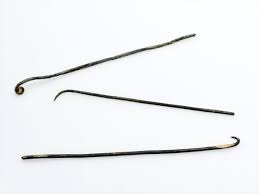
| Key Tool | Metal Hook / Probe |
| Fate of Brain | Discarded (Not Preserved) |
Heart vs. Brain
Why throw away the brain? To the Ancient Egyptians, the brain was merely marrow that produced mucus. The seat of intelligence, memory, emotion, and the soul was the Heart (Ib). Therefore, while the heart was left inside the chest to be weighed by Anubis, the brain was considered spiritually useless and physically dangerous because it rotted quickly.
The Fight Against Decay
The brain has a high water and fat content, making it one of the first organs to putrefy. If left inside, it would liquefy and cause the skull and face to collapse. Removal was a practical necessity to ensure the face remained recognizable for the Ka to inhabit.
Evolution of Technique
This practice was not present in the Old Kingdom (where brains were often left intact). It began experimentally in the Middle Kingdom and became standard practice for the elite during the New Kingdom (18th-20th Dynasties). It represents a significant leap in anatomical knowledge and surgical skill.
The Surgical Procedure
The embalmer would insert a metal instrument up the left nostril to puncture the ethmoid bone (a thin plate of bone separating the nose from the brain). This required extreme precision to avoid breaking the nose or the face. Once the bone was breached, the brain tissue was macerated (mashed) and the head was tilted to let the liquefied brain drain out.
Embalmer's Toolkit
Archaeologists have found bronze and copper tools used for this purpose:
- Hooks: To pull out dura mater (brain membrane).
- Probes/Spoons: Long, thin rods to agitate the tissue.
- Drills: Occasionally used in later periods if the nasal route failed (via the foramen magnum at the base of the skull).
Resin Filling
Once empty, the cranial cavity was rinsed with palm wine and spices to kill bacteria. To prevent the skull from collapsing over centuries, embalmers would often pour hot, liquid resin (tree sap) into the head. This resin would cool and harden, forming a solid black mass inside the skull, preserving the shape of the head perfectly.
The Discarded Organ
| Organ | Treatment | Significance |
|---|---|---|
| Heart | Left in body | Seat of Soul & Intellect |
| Lungs/Liver/Stomach/Intestines | Preserved in Canopic Jars | Protected by 4 Sons of Horus |
| Brain | Discarded | Biological waste; no spiritual value |
Identity vs. Anatomy
The removal of the brain highlights the profound difference between ancient and modern views of the self. Egyptians preserved the face (identity) and the heart (morality), but discarded the brain (processor). It symbolizes a culture that prioritized moral truth and recognition over cognitive mechanics.
Surgical Mastery
The fact that embalmers could perform this "blind surgery" through a tiny hole in the nose without damaging the external face is a testament to their incredible anatomical knowledge and manual dexterity. It was a standardized, industrial-scale operation performed on thousands of bodies with consistent results.
Paleopathology
For modern scientists, the empty skulls or resin-filled heads of mummies provide clues about ancient diseases, diet, and the evolution of mummification techniques. CT scans allow us to see the tool marks left on the ethmoid bone, reconstructing the movements of an embalmer from 3,000 years ago.
Encyclopedia Summary
| Procedure | Excerebration via Nose |
|---|---|
| Goal | Prevent facial decay |
| Key Bone | Ethmoid Bone |
| Replacement | Hot Resin / Linen |
| Belief | Brain irrelevant to afterlife |