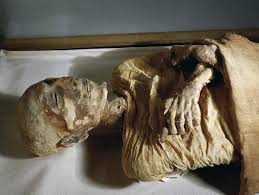
Basic Identity
Merneptah was the 13th son of Ramesses the Great. Ascending the throne in his 60s, he inherited a vast but fragile empire that was under pressure from all sides. Unlike his father, whose reign was defined by expansion and monument building, Merneptah's reign was defined by the desperate defense of Egypt's borders.
| Throne Name | Baenre-Merynetjeru ("The Soul of Ra, Beloved of the Gods") |
|---|---|
| Dynasty | 19th Dynasty (Late Ramesside Age) |
| Reign | c. 1213–1203 BCE (Approx. 10 Years) |
| Capital | Pi-Ramesses & Memphis |
The Defender
Merneptah is historically crucial because he successfully repelled a massive invasion by a coalition of Libyans and the mysterious "Sea Peoples." Had he failed, Egypt might have collapsed centuries earlier than it did. He is also world-famous for the Israel Stele, which contains the first historical mention of Israel.
The Unlikely Heir
As the 13th son, Merneptah was never meant to be king. He only became the crown prince after his twelve older brothers died during the extraordinarily long reign of Ramesses II. He came to power as an elderly man, likely suffering from arthritis, yet he faced immediate military threats with remarkable vigor.
The Fight for Survival
In the 5th year of his reign, a massive coalition of Libyans and Sea Peoples (migrants from the Mediterranean) attacked the western Delta. It was a fight for Egypt's survival. Merneptah led his army to a decisive victory, killing over 6,000 enemies and capturing thousands more, ensuring Egypt's safety for another generation.
Suppressing Revolts
Following his father's death, many vassal states in Canaan rebelled, sensing weakness. Merneptah marched north to reassert Egyptian authority, capturing cities like Gezer, Ashkelon, and Yanoam. His campaigns proved that even an elderly pharaoh could maintain the empire's grip on the Levant.
Stability Over Glory
With resources strained by war, Merneptah's building program was modest compared to his father's. He mostly focused on completing unfinished projects and adding inscriptions to existing temples. Religiously, he maintained strict orthodoxy, supporting the priesthood of Amun to ensure internal stability during turbulent times.
The Tired King
Merneptah was buried in a large, beautifully decorated tomb in the Valley of the Kings (KV8). His mummy, discovered in the KV35 cache, shows signs of severe arthritis and dental issues, painting a picture of a king who spent his final years in physical pain while carrying the heavy burden of defending his nation.
The End of Order
Merneptah's death plunged the 19th Dynasty into a crisis of succession. Rival heirs fought for the throne, leading to a period of political instability and rapid decline. His reign marked the last moment of unity and strength before the chaos that would eventually end the dynasty.
The Changing Tide
| King | Focus | Result |
|---|---|---|
| Ramesses II | Imperial Expansion | Golden Age & Glory |
| Merneptah | National Defense | Survival & Stability |
| Ramesses III | Desperate Survival | End of the Empire |
📌 Visitor-Friendly Summary
Merneptah was the pharaoh who held Egypt together as the world began to change. His stele still speaks to us today.
👑 Key Title: The Defender
🛡️ Achievement: Repelling the Sea Peoples
📜 Legacy: The First Mention of Israel