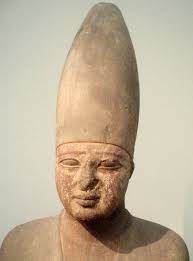
Basic Identity
Mentuhotep III (Sankhkare) ruled during the early Middle Kingdom, succeeding the great unifier, his father Mentuhotep II. While his reign was relatively short, it was a period of peace, economic consolidation, and ambitious exploration.
| Throne Name | Sankhkare (“He who gives life to the Ka of Ra”) |
|---|---|
| Horus Name | Nebtawy (“Lord of the Two Lands”) |
| Dynasty | 11th Dynasty |
| Reign | c. 2010–1998 BCE (Approx. 12 Years) |
The Consolidator
His historical significance lies in his preservation of Egypt's hard-won unity. Rather than engaging in new wars of conquest, Mentuhotep III focused on internal stability, strengthening the economy, and expanding Egypt's trade network to distant lands like Punt.
A Fragile Peace
Upon his accession, the trauma of the civil war was still fresh. Regional tensions simmered beneath the surface. Mentuhotep III wisely chose continuity, maintaining the central bureaucracy established by his father and ensuring that royal authority was respected from the Delta to Elephantine.
Pragmatic Rule
He governed with pragmatism, balancing the power of the Theban court with the need to integrate the former northern elites. His administration was characterized by efficiency and a focus on resource management, particularly in the mining and quarrying sectors.
Wealth of the Nation
The economy took priority over the military. Mentuhotep III invested in infrastructure, digging wells in the Eastern Desert to support mining expeditions. These projects increased the flow of raw materials like stone and gold into the royal workshops, fueling an artistic renaissance.
Records in Stone
The expedition is detailed in rock inscriptions in the Wadi Hammamat. Henu records digging 12 wells and defeating rebels, but also mentions a miraculous event: a gazelle gave birth on the stone intended for the King's sarcophagus, a sign of divine favor.
Devotion to Amun
Mentuhotep III continued the elevation of Amun of Thebes but also maintained traditional cults like that of Min (god of the Eastern Desert) and Hathor. His religious policy was inclusive, using temple support to stabilize society and legitimize his rule.
The Protector King
His royal ideology shifted from the "Warrior Hero" image of his father to that of a "Provider and Protector." Art from his reign emphasizes prosperity, order (Ma'at), and the king's role in ensuring the abundance of the land.
Building for Eternity
While he did not build a massive mortuary temple like his father's, he dedicated a temple to Thoth on a high hill near Thebes (Thoth Hill). He also continued construction at Deir el-Bahari and fortified settlements in the Delta to protect against Asiatic incursions.
The Unfinished Tomb
He began a mortuary temple at Deir el-Bahari, near his father's, but it was never completed. His likely burial place is a rock-cut tomb in the cliffs. The modest scale of his monument compared to his father's reflects a reign cut short, not a lack of power.
Southern Frontier
Mentuhotep III maintained firm control over Lower Nubia (Wawat), ensuring the flow of gold and exotic goods. A garrison at Elephantine secured the southern border, allowing trade to flourish without the need for constant military campaigns.
Rise of Bureaucracy
His reign saw a blossoming of administrative culture. The number of scribes and officials increased, leading to better record-keeping and a more sophisticated state apparatus. This period laid the groundwork for the "Classical Middle Kingdom" culture of literature and art.
A Troubled End
He was succeeded by Mentuhotep IV, whose reign is obscure and missing from later king lists. This suggests that Mentuhotep III's death may have triggered a succession crisis or a palace coup led by his vizier Amenemhat, who would go on to found the 12th Dynasty.
Father vs. Son
| King | Mentuhotep II | Mentuhotep III |
|---|---|---|
| Role | Warrior / Unifier | Administrator / Trader |
| Focus | Military Conquest | Economic Consolidation |
| Legacy | Founded Middle Kingdom | Secured Prosperity |
📌 Comprehensive Summary
👑 Name: Mentuhotep III (Sankhkare)
🕰️ Era: 11th Dynasty (Middle Kingdom)
⚔️ Achievement: Expedition to Punt
🪨 Monument: Temple of Thoth