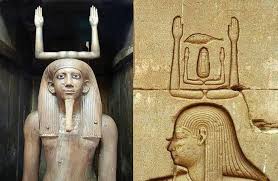
Definition & Meaning
The Ka (Ancient Egyptian: kꜣ) is the vital spark or life force that distinguishes the living from the dead. It is often described as a person's "Spiritual Double." While the Ba is the unique personality, the Ka is the energy that allows a being to exist and consume nourishment.
| Hieroglyph | Two upraised arms (𓂓) |
|---|---|
| Meaning | Life Force, Vitality, Sustenance |
| Origin | Created at birth by Khnum |
| Destiny | Survives death, requires food |
The Divine Spark
The Ka is invisible but powerful. It enters the body at birth and leaves at death. The Egyptians did not say someone "died"; they said they "went to their Ka". This euphemism implies that death is a reunion with one's vital essence. The Ka was believed to be the link to the ancestral line and the divine realm.
Creation on the Wheel
In Egyptian mythology, the ram-god Khnum creates the physical body of a child on his potter's wheel. Simultaneously, he creates the child's Ka. Thus, every person is born with a twin—an invisible, immortal double that accompanies them throughout life and awaits them in the afterlife.
Sustenance (Kau)
The word for "food" (Kau) is plural for Ka. This is no coincidence. The Ka requires nourishment to survive in the afterlife. The offerings placed in tombs—bread, beer, meat—were consumed spiritually by the Ka. If physical food was unavailable, the Ka could feed on the magical depictions of food painted on the tomb walls.
The Anchor
The Ka needs a physical form to inhabit. During life, this is the body. After death, the mummy serves as the primary anchor. However, if the mummy were destroyed, the Ka would be homeless and might perish (the Second Death). To prevent this, Egyptians created Ka Statues as backup vessels for the spirit to dwell in.
Complex Soul Theology
The Ka works in concert with other elements:
| Component | Function | Relation to Ka |
|---|---|---|
| Ba | Personality/Mobility | Must reunite with Ka to form the Akh. |
| Akh | Transfigured Spirit | The result of the successful union of Ka and Ba. |
| Body (Khat) | Physical Anchor | The home base the Ka returns to. |
The Royal Ka
The Uplifted Arms
The universal symbol for the Ka is two arms bent at the elbows and raised upward. This gesture can be interpreted in several ways:
- Embrace: One person embracing another (affection/protection).
- Praise: Raising hands in worship.
- Transmission: The transfer of life energy from god to human.
Foundation of Religion
The concept of the Ka drove the entire Egyptian funerary economy. Tombs were built as "Houses of the Ka" (Hwt-Ka). Priests were hired specifically as "Servants of the Ka" (Hem-Ka) to perform daily offerings. Without the belief in the Ka, there would be no pyramids, no mummies, and no elaborate tombs.
Understanding the Soul
For modern scholars, the Ka represents a sophisticated understanding of human psychology and vitality. It acknowledges that human beings are more than matter; we are energy. It answers the ancient question: "What leaves the body when we die?" The Egyptian answer was: The Ka returns to its source.
Encyclopedia Summary
| Concept | Vital Life Force (Ka) |
|---|---|
| Key Symbol | Upraised Arms |
| Primary Need | Food & Drink (Offerings) |
| Related God | Khnum (Creator of the Ka) |
| Funerary Vessel | Ka Statue |