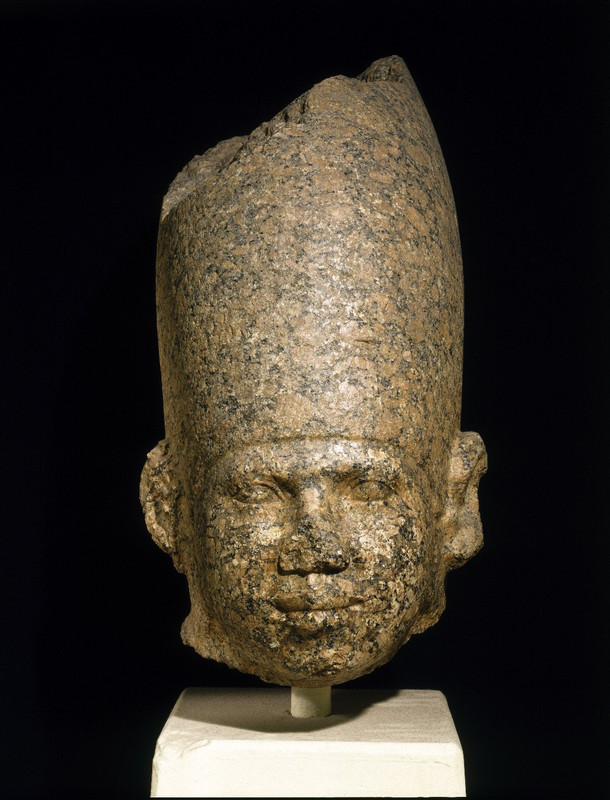
Huni
The king who built the first provincial pyramids and secured the southern border.
(Hu-ni)
🕰️ Reign
c. 2613 BCE
🏆 Role
Architect
🏛️ Tomb
Meidum (disputed)
👑 Successor
Sneferu
A Network of Provincial Pyramids
While Huni is less famous than his successor Sneferu, he was a prolific builder. He is credited with constructing a series of **seven small step pyramids** (known as "minor step pyramids") scattered throughout the provinces of Egypt, from the Delta to Elephantine.
The Fortress of Elephantine
Huni recognized the strategic importance of the southern border. He built a massive fortress on the island of Elephantine (modern Aswan) to secure Egypt against Nubian incursions and to control the trade of gold and exotic goods flowing from the south.
- Granite Cone: A red granite cone found on the island bears the inscription: "Palace of the Headband of King Huni," confirming his activity there.
The Meidum Pyramid Mystery
The Pyramid of Meidum is an architectural enigma. It began as a step pyramid and was later converted into the first "true" smooth-sided pyramid.
Family and Succession
Huni's wife was likely Queen Meresankh I. While he had no surviving son to inherit the throne directly, his daughter, Hetepheres I, married Sneferu (who may have been Huni's stepson or son by a lesser wife). This marriage secured the royal bloodline and launched the glorious Fourth Dynasty.
Wisdom Literature: The Instruction of Kagemni
Huni is mentioned in the famous literary work "The Instruction of Kagemni." The text describes him as a king who died in peace after a long and prosperous reign, passing the torch to the "beneficent king" Sneferu. This portrays Huni as a wise and stable ruler who left the country in excellent condition.