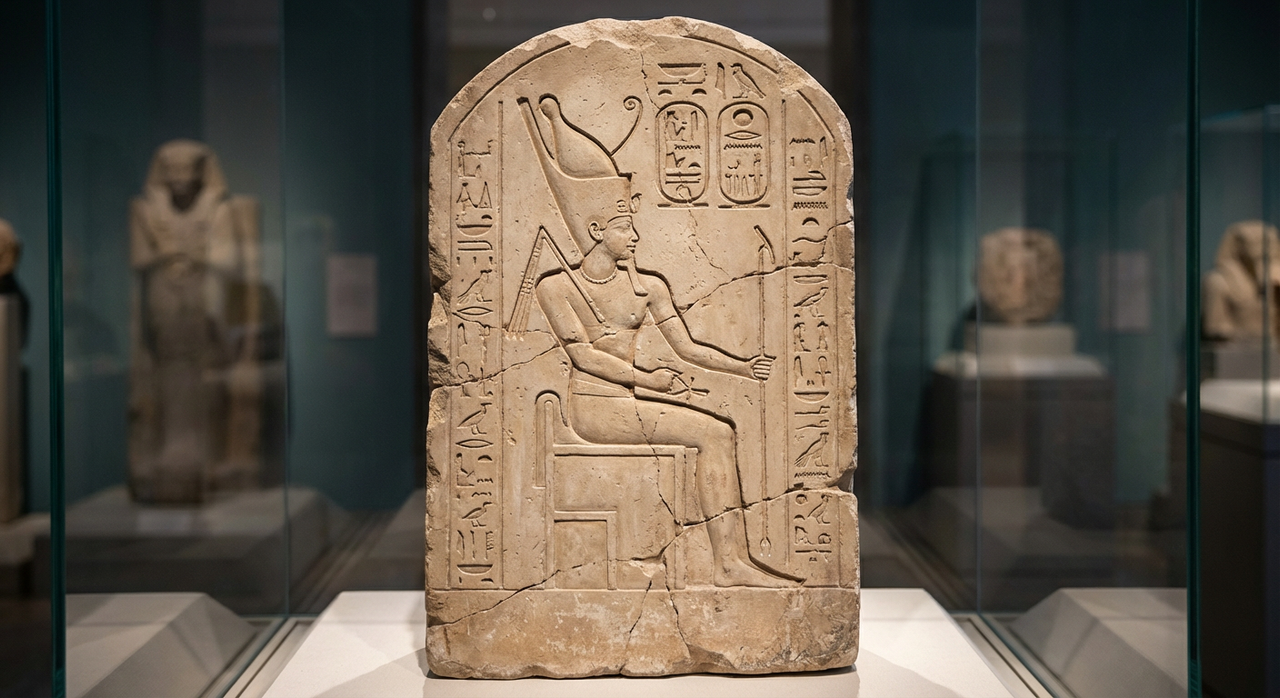
Hotepsekhemwy
The king who ended civil strife and founded the Second Dynasty.
(Hor-Hotepsekhemwy)
🕰️ Reign
c. 2890 BCE
🏆 Meaning
"Two Powers at Peace"
🏛️ Tomb
Saqqara Galleries
👑 Successor
Raneb (Nebra)
The Name: "The Two Powers are Reconciled"
Hotepsekhemwy's name is one of the most politically charged in Egyptian history. It translates literally to "The Two Powers are at Peace" or "Pleasing the Two Powers."
Connection to the First Dynasty
Although he founded a new dynasty, Hotepsekhemwy ensured legitimacy by honoring his predecessors. Archaeological evidence confirms he was responsible for the burial of King Qaa, the last king of the First Dynasty.
- Seal Impressions: Seals bearing Hotepsekhemwy's name were found inside Qaa's tomb at Abydos. In ancient Egypt, the one who buries the king is the legitimate heir.
- Dynastic Marriage: He likely married a princess from the First Dynasty bloodline to cement his claim to the throne.
The Shift to Saqqara
One of the most significant changes during Hotepsekhemwy's reign was the move of the royal necropolis. While the First Dynasty kings were all buried at the ancestral cemetery of Abydos, Hotepsekhemwy chose a new location: Saqqara, the necropolis overlooking the capital of Memphis.
Events & Legends
Little is known of the specific events of his reign (estimated at 25-29 years), but historical fragments provide glimpses:
- The Earthquake: The historian Manetho (writing in the Greek period) records that during the reign of "Boethos" (the Greek name for Hotepsekhemwy), a great chasm opened in the earth at Bubastis in the Delta, and many people perished.
- Stone Vessels: Thousands of stone vessels bearing his name were found beneath the Step Pyramid of Djoser, suggesting his tomb was later raided or his goods were reused by later kings.
Succession: Raneb
Hotepsekhemwy was succeeded by Raneb (also read as Nebra), whose name means "Ra is the Lord" or "Lord of the Sun." This is the first time the sun god Ra appears in a royal name, marking the beginning of the rise of solar theology that would dominate the Old Kingdom.