Definition & Meaning
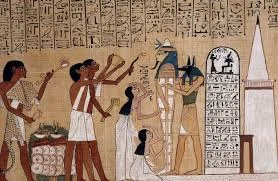
The Funerary Procession was the grand ceremonial transfer of the deceased from the world of the living to the world of the dead. It was a loud, vibrant, and ritual-filled event that transported the mummy from the embalming workshop to the tomb on the west bank of the Nile.
| Event | Transfer of the Mummy |
|---|---|
| Destination | The Necropolis (The West) |
| Participants | Priests, Family, Professional Mourners |
| Goal | Safe Passage to the Tomb |
A Dangerous Transition
To the Egyptians, the space between the city (life) and the tomb (eternity) was a liminal zone fraught with danger. The procession was not just a parade; it was a magical shield. The chanting, incense, and specific order of participants were designed to protect the vulnerable mummy from demons until it could be safely sealed in the tomb.
Crossing the Waters
The journey typically began at the deceased's home or the Wabet (embalming hall). The most symbolic moment was the Crossing of the Nile. The mummy was placed on a special boat, towed by other boats. This mirrored the sun god Ra's journey across the sky and the soul's journey across the celestial waters to the Field of Reeds.
Dragged by Oxen
On land, the mummy was placed inside a shrine on a wooden Sledge. Unlike wheeled carts, the sledge was traditional and sacred. It was dragged by oxen (symbolizing strength) and men (friends or servants). A priest walked in front, pouring milk or water to lubricate the ground, a ritual act of purification.
The Cast of the Drama
The procession was a theatrical performance of the Osiris myth:
| Role | Performed By | Function |
|---|---|---|
| The Drty (Two Kites) | Two women | Impersonate Isis & Nephthys mourning Osiris. |
| Lector Priest | Scribe | Recites spells from a papyrus roll. |
| Sem Priest | Eldest Son | Performs the final rites. |
| Mourners | Professionals | Wail, tear clothes, and throw dust to show grief. |
The Muu Dancers
As the procession neared the tomb, it was met by the Muu Dancers. These were ritual performers wearing strange tall headdresses made of papyrus reeds. They represented the ancient ancestors or ferrymen of the underworld, dancing to welcome the deceased into the realm of the spirits.
Carrying Eternity
Servants carried the grave goods needed for the afterlife. This included the Canopic Chest (containing the organs), furniture, food, shabti dolls, and boxes of linen. This display of wealth was also a public statement of the deceased's status and their preparedness for eternity.
The Final Farewell
Upon reaching the tomb, the mummy was stood upright at the entrance. Here, the "Opening of the Mouth" ritual was performed to reanimate the senses. The wife or eldest son would embrace the mummy one last time. This moment marked the final separation of the living from the dead.
The Solar Journey
The entire procession moved from East (Life) to West (Death). This directional movement aligned the deceased with the setting sun. The noise of the mourners was believed to help "wake" the soul in the afterlife, ensuring it did not drift into non-existence.
Scenes from the Tombs
We know these details from vibrant paintings in New Kingdom tombs, such as the Tomb of Ramose (TT55) and Rekhmire (TT100). These murals depict every step: the wailing women, the dragging of the sarcophagus, and the piles of offerings, freezing the moment of grief in time.
Encyclopedia Summary
| Subject | Funerary Procession |
|---|---|
| Key Direction | East to West |
| Mysterious Figure | The Tekenu |
| Ritual Dancers | The Muu |
| Final Rite | Opening of the Mouth |