Basic Identity
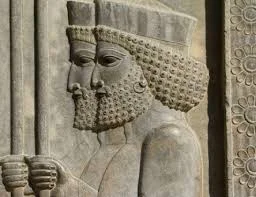
Cambyses II (Old Persian: Kambujiya) was the eldest son of Cyrus the Great and the second king of the Achaemenid Empire. In 525 BCE, he conquered Egypt, ending millennia of native pharaonic rule and establishing the 27th Dynasty, also known as the First Persian Period. His conquest integrated Egypt into the vast Persian Empire, marking a pivotal turning point in ancient history.
| Throne Name | Mesutire ("Offspring of Ra") |
|---|---|
| Dynasty | 27th Dynasty (First Persian Period) |
| Reign (Egypt) | 525–522 BCE (Approx. 3 Years) |
| Capital | Susa / Memphis (Administrative) |
The End of Independence
Cambyses II is historically significant because he accomplished what the Assyrians and Babylonians could not maintain: the total conquest and integration of Egypt into a foreign empire. By defeating Psamtik III, he ended the Saite Dynasty and transformed Egypt into a satrapy (province). His reign is often shrouded in controversy due to negative portrayals by Greek historians like Herodotus.
Imperial Ambition
Following in his father's footsteps, Cambyses sought to expand the Persian Empire. Egypt was a strategic prize, offering immense agricultural wealth and access to the Mediterranean. His invasion was carefully calculated; he secured the cooperation of Bedouin tribes to cross the Sinai desert and neutralized Egypt's alliances with Greek states before launching his attack.
The Decisive Clash
In 525 BCE, the Persian and Egyptian armies met at Pelusium, the gateway to the Nile Delta. The battle was fierce and bloody. The Egyptian forces, led by the newly crowned and inexperienced Psamtik III, were decimated. This defeat opened the road to Memphis, which soon fell after a siege, marking the official end of Egyptian independence.
Rule by Legitimacy
Contrary to the "mad king" image painted by Herodotus, Egyptian evidence suggests Cambyses tried to rule as a legitimate pharaoh. He adopted a full Egyptian royal titulary, calling himself "King of Upper and Lower Egypt" and "Offspring of Ra." He appears in reliefs performing traditional rituals and respecting the gods, understanding that legitimacy was key to controlling the populace.
The Apis Bull Controversy
Greek sources claim Cambyses stabbed the sacred Apis bull in a fit of rage, mocking the Egyptian gods. However, contemporary evidence from the Serapeum at Saqqara tells a different story. A stele from his reign records that he dedicated a sarcophagus for the Apis bull with full honors. It is likely that the tales of his sacrilege were propaganda spread by Egyptian priests resentful of Persian taxation.
Vanished in the Sands
Herodotus reports that Cambyses sent an army of 50,000 men from Thebes to conquer the Oracle of Amun at the Siwa Oasis. According to the legend, the army was caught in a massive sandstorm and buried alive, never to be seen again. Despite numerous archaeological expeditions, no trace of this "Lost Army" has ever been confirmed, leaving it one of history's great mysteries.
A Turbulent End
While in Egypt, Cambyses received news of a revolt in Persia led by a figure claiming to be his brother Bardiya (or a mesmerizing impostor named Gaumata). Rushing back to suppress it, Cambyses died in Syria in 522 BCE—possibly from an accidental wound to the thigh or suicide. He left no heir, leading to a succession crisis eventually resolved by his general, Darius I.
The Shift in Power
| Ruler | Legacy | Outcome |
|---|---|---|
| Amasis II | Last Prosperity | Golden Age before the fall |
| Psamtik III | Final Resistance | Defeat & Execution |
| Cambyses II | Conquest | Egypt becomes a Satrapy |
📌 Visitor-Friendly Summary
Cambyses II was the king who conquered Egypt—and was remembered more harshly than the evidence supports. His reign marks the beginning of foreign imperial rule.
👑 Key Title: The Persian Conqueror
⚔️ Achievement: Victory at Pelusium
🏺 Mystery: The Lost Army of Siwa