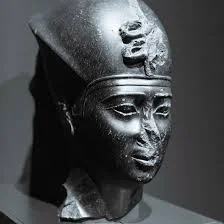
Basic Identity
Apries (Egyptian: Wahibre, Greek: Apries, Biblical: Hophra) was the fourth king of the 26th Dynasty. Ruling from Sais, his 19-year reign was characterized by aggressive foreign policy and internal strife. Unlike his predecessors who carefully balanced diplomacy, Apries engaged in high-risk confrontations that ultimately cost him his throne.
| Throne Name | Wahibre ("Constant is the Heart of Ra") |
|---|---|
| Dynasty | 26th Dynasty (Saite Period) |
| Reign | c. 589–570 BCE (Approx. 19 Years) |
| Capital | Sais (Western Delta) |
A Cautionary Reign
Apries is historically significant as a tragic figure whose reign serves as a lesson in leadership. He continued the Saite policy of relying on Greek mercenaries, but his failure to maintain the loyalty of the native Egyptian military led to the only successful internal revolution of the Late Period. His fall marked a violent dynastic shift within the Saite house.
Inherited Stability, Chosen Conflict
Son of Psamtik II and Queen Takhut, Apries inherited a stable and prosperous kingdom. However, he chose a path of confrontation. He aimed to check the power of the Neo-Babylonian Empire in the Levant and maintain Egypt's status as a regional superpower. This ambition led him to intervene in the affairs of Judah and Phoenicia, setting him on a collision course with Babylon.
The Fall of Jerusalem
Apries supported King Zedekiah of Judah in his revolt against Nebuchadnezzar II of Babylon. He sent an army to relieve the siege of Jerusalem, but the respite was temporary. The Babylonians drove the Egyptians back and destroyed Jerusalem in 586 BCE. This failure damaged Egypt's prestige and demonstrated the limits of Apries's military reach.
Mercenaries vs. Egyptians
The disaster in Libya triggered a massive mutiny among the native Egyptian soldiers (the Machimoi), who felt marginalized by the king's preference for Greek and Carian mercenaries. Social tension exploded into civil war. Apries sent his general, Amasis (Ahmose II), to quell the rebellion, but the troops proclaimed Amasis king instead.
Civil War
Apries refused to abdicate and led his mercenary army against the Egyptian forces led by Amasis. The two sides met at the Battle of Momemphis. Despite fighting bravely, Apries was defeated and captured. Amasis initially treated him with respect, keeping him as a prisoner in the palace at Sais, but the deposed king remained a source of instability.
A Violent End
Apries eventually escaped and may have tried to regain his throne with Babylonian help, but he was defeated again and killed—likely strangled by the mob or executed. Despite the violent end, Amasis gave him a full royal burial at Sais to legitimize his own succession, burying him with his ancestors in the temple of Neith.
The Crisis of the 26th Dynasty
📌 Visitor-Friendly Summary
Apries was the pharaoh who lost his throne not to foreign invaders, but to his own army. His reign is a dramatic chapter of ambition and betrayal.
👑 Key Title: The Embattled Pharaoh
⚔️ Conflict: Civil War with Amasis
📉 Legacy: Overthrown by Internal Revolt