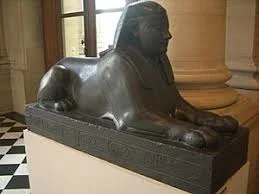
Basic Identity
Amyrtaeus (Egyptian: Amenirdisu) is a unique figure in Egyptian history as the sole pharaoh of the 28th Dynasty. Rising from Sais in the Delta, he led a successful rebellion against the Persian occupation, granting Egypt a precious, though brief, window of independence after decades of foreign rule.
| Egyptian Name | Amenirdisu ("Amun is the one who gives him") |
|---|---|
| Dynasty | 28th Dynasty (Sole Ruler) |
| Reign | c. 404–398 BCE (Approx. 6 Years) |
| Capital | Sais (Delta) |
A Vital Victory
Amyrtaeus is historically crucial because he ended the First Persian Period (27th Dynasty). Exploiting a succession crisis in the Persian Empire following the death of Darius II, he rallied Egyptian forces and Greek mercenaries to expel the Persian garrisons. His victory restored native rule to the Nile Valley for the first time in over a century.
Legacy of Resistance
Amyrtaeus hailed from Sais, the city that had been the center of resistance and power during the 26th Dynasty. He was likely a descendant of the Saite royal family, possibly grandson of the Amyrtaeus who had revolted against the Persians earlier in 460 BCE. This lineage gave him the legitimacy and local support needed to challenge the Persian satraps.
Strike for Freedom
The revolt began in the Delta around 404 BCE, timed perfectly with the death of King Darius II of Persia. While the Persian Empire was distracted by its own internal dynastic struggles, Amyrtaeus seized the moment. By 400 BCE, he had extended his control from the Delta into Upper Egypt, as confirmed by documents from the Jewish garrison at Elephantine dating to his reign.
Fragile Rule
Despite his victory, Amyrtaeus struggled to consolidate central authority. The long period of foreign rule had empowered local warlords and priests. He relied heavily on Greek mercenaries to maintain order, a costly strategy that drained the treasury. His authority was constantly contested by rival Egyptian factions who also sought to claim the mantle of liberator.
Internal Betrayal
Amyrtaeus was not defeated by the returning Persians, but by his own countrymen. In 399 BCE, he was overthrown by Nepherites I of Mendes, who founded the 29th Dynasty. The Aramaic papyri from Elephantine record simply that "Amyrtaeus was killed," marking a violent end to his brief dynasty. He was likely executed at Memphis.
A Shadowy King
Because of his short reign and violent end, Amyrtaeus left few monuments. No major temples or tombs are attributed to him, and his name was often erased by his successors who wished to legitimize their own dynasties. He remains a "shadowy" figure in archaeology, known mostly through Greek histories and brief mentions in administrative texts.
The Spark of Independence
| Ruler | Role | Legacy |
|---|---|---|
| Darius I | Persian Organizer | Stabilized Foreign Rule |
| Amyrtaeus | The Rebel | Broke Persian Control |
| Nepherites I | The Successor | Consolidated Independence |
📌 Visitor-Friendly Summary
Amyrtaeus was the rebel pharaoh who gave Egypt six precious years of freedom. His reign was short, but it broke the chains of empire.
👑 Key Title: The Rebel King
⚔️ Achievement: Ending the 1st Persian Period
📉 Fate: Overthrown by Rivals